



When we talk about healthy skin, most people would first think about a “healthy skin barrier”. Indeed, the skin barrier is certainly important, but behind this physical barrier lies an even grander invisible world—the Skin Microbiome. To use an analogy—if the skin barrier is the city wall protecting a home, then the microbiome is the army stationed upon that wall.
When the term "microbiome" is mentioned, most people first associate it with gut health. However, what many don't realize is that trillions of microorganisms, including bacteria, fungi, and viruses, also reside on the surface of the skin—in fact, there are about one billion bacteria on every square centimeter of skin!
When the species and quantity of "good bacteria" and "bad bacteria" on the skin are in balance, they form the body's first line of defense against environmental irritants, toxins, and harmful organisms, directly influencing the immune response.
This invisible layer of living protection is what we call the Skin Microbiome.
In skincare science, we must distinguish the synergistic effect between "biological defense" and "physical defense":
| Skin Barrier
Usually refers to the "physical barrier”, the "brick and mortar" structure composed of corneocytes (bricks) and ceramides/lipids (mortar). It is responsible for locking in moisture and preventing the penetration of external irritants.
| Skin Microbiome
This is the living defense system covering the outermost layer of the "brick wall”, acting like a "guardian army”. A healthy microbiome secretes natural antibiotics called Bacteriocins, which can precisely target and kill harmful bacteria like Staphylococcus aureus without harming skin cells. It also simultaneously metabolizes short-chain fatty acids (SCFAs) to maintain the skin at an ideal slightly acidic pH.
The microbiome is the "invisible guardian" at the front line of the physical barrier. A healthy colony of beneficial bacteria builds the weakly acidic environment needed for healthy skin. This is not only key to inhibiting pathogen invasion but also activates enzymes within the skin, thereby promoting the proliferation of ceramides and reinforcing the barrier structure from within.
Conversely, once the microbiome falls into imbalance (Dysbiosis), the skin's pH level rises. This alkalizing shift leads to an abnormal increase in protease activity that degrades the barrier, thereby collapsing the lipid structure and causing the physical barrier to fail along with it.
In other words, a healthy and strong skin barrier begins with a balanced microbiome—only by acknowledging this invisible microbial forest can long-term skin health truly be achieved.
The fragile balance of the skin microbiome is easily attacked by both "internal troubles and external threats”. When beneficial bacteria are cleared or suppressed on a large scale, the skin enters a state of Dysbiosis, leading to a loss of self-healing power:
| External Damage: Incorrect Skincare Habits and Environmental Stress
Over-cleansing
Using cleansing products with strong foaming agents like SLS/SLES, frequently using facial cleansing brushes, or using toners with high alcohol content strips away the lipid matrix that beneficial bacteria rely on for survival.
Harsh Scrubbing
Frequently rubbing with coarse scrubs is like "deforestation" in what was once a smooth microbial forest. This not only causes micro-tears invisible to the naked eye—making it easier for bad bacteria to invade—but also forcibly removes the good bacteria that are working hard to repair the barrier.
Physical Friction
The habit of vigorously rubbing the face dry with a towel, long-term use of cleansing machines, or frequent friction from makeup remover pads or toner pads generates heat and disrupts the skin barrier. This causes the skin's pH to fluctuate wildly, leading to the collapse of the balanced microbiome environment due to "topsoil loss”.
Environmental Stress
UV rays and PM2.5 particles generate free radicals, altering skin pH and damaging microbial DNA.
| Over-disinfection and Harsh Anti-Acne Ingredients
"Carpet Bombing" and Indiscriminate Attacks
This is a misconception many fall into. Whether abusing Benzoyl Peroxide to fight acne, or frequently using hand sanitizers, disinfectant wipes, or chlorine-based disinfectants in pursuit of extreme cleanliness, these chemicals—while effective at killing germs—cannot precisely identify strains, resulting in a "carpet bombing" of the skin.
Destroying Microbial Diversity
Taking acne as an example, these ingredients clear all bacteria from the surface, including the 35 strains beneficial to the skin and responsible for maintaining immune function. When you frequently touch your face after disinfecting your hands with high-concentration alcohol or wipe your skin with alcohol wipes, it not only strips the epidermis of natural oils and moisture—causing oxidative stress—but also completely destroys microbial diversity.
The Vicious Cycle After Imbalance
On an empty surface devoid of "beneficial competitors”, harmful bacteria and aggressive strains can rebound and colonize more quickly. This is why skin often becomes drier, itchier, and more fragile after over-disinfection, or why acne problems become more severe and cyclical despite treatment.
| Internal Damage: Emotions and Lifestyle
The Skin-Brain Connection
Modern science has confirmed the existence of the "Skin-Brain Axis”, meaning internal states can completely change the "soil" of the skin surface through hormones:
Stress and Cortisol
When stressed, soaring cortisol stimulates sebaceous glands to secrete more and thicker oil. This breaks the balance, providing excess nutrients for specific bad bacteria (such as strains of C. acnes that cause inflammation), leading to their frantic proliferation and the suppression of good bacteria.
Dietary Changes to the Microbiome Environment
When excess sugar is consumed, for instance, through high-sugar and high-GI diets, the "glycation reaction" and insulin fluctuations caused by rapid spikes in blood sugar change the composition of sebum. This change in sebum chemistry makes the environment—originally suitable for good bacteria—shift toward being “pro-inflammatory”, attracting harmful colonies and triggering chronic inflammation caused by microbiome imbalance.
Processed Foods and the Gut Link
Diets lacking fiber damage the gut microbiome, which in turn releases endotoxins into the blood. These toxins interfere with the skin's ability to secrete antimicrobial peptides, weakening the stability of the microbiome.
| Sleep Deprivation and Immune Defense
Sleep disruption interferes with the skin's Circadian Rhythm. During deep sleep, the skin is supposed to undergo self-repair and pH re-stabilization. A lack of sleep significantly reduces the ability of beneficial bacteria to secrete natural antibiotics (bacteriocins) and antimicrobial peptides (AMPs). This means that when facing environmental stress during the day, your microbial guardian army will be unable to effectively suppress pathogens due to "insufficient ammunition”, leaving the skin dull and prone to infection.
Research shows that the root of many chronic skin problems lies in the loss of microbial diversity—this triggers a chain reaction, leading to skin barrier collapse and an overactive immune system.
| Acne: Diversity Collapse and "Single Strain" Dominance
Traditional views held that acne was caused by an excess of Cutibacterium acnes (formerly P. acnes), but modern research has found that the "ratio of strains" is more important than the "total amount”. Modern studies subdivide C. acnes into different "types" (or strains)—Type I is usually associated with severe acne inflammation, while Types II & III are common on healthy skin and can even secrete antioxidants to protect the skin.
Mechanism
A normal skin microbiome is like a tropical rainforest with countless strains keeping each other in check. When the balance is broken—such as through over-disinfection causing the protective strains to disappear—it leads to the dominance of aggressive, inflammatory strains.
Consequence
This single-strain dominance induces hair follicles to secrete excess oil and triggers severe inflammation, forming red, painful inflammatory acne. If the microbiome is not restored, harmful bacteria will remain lurking on the surface even if acne temporarily subsides. This is also why many people suffer from recurring acne.
| Eczema and Dermatitis: Invasion of Staphylococcus aureus
The skin microbiome of eczema patients has a very distinct characteristic: extremely low diversity.
Mechanism
"Staphylococcus epidermidis" on healthy skin secretes antimicrobial peptides to inhibit bad bacteria. Eczema patients, however, are severely deficient in this good bacteria, giving Staphylococcus aureus the opportunity to continuously colonize and multiply.
Consequence
Staphylococcus aureus punctures corneocytes, releasing toxins that trigger severe inflammation, itching, and weeping. This overgrowth of bad bacteria forms a vicious cycle, further damaging the barrier, letting moisture escape faster, and making the skin drier and inflammation more severe.
| Rosacea: The Triangle Between Nerves, Vessels, and Microbes
Rosacea is not just a microvascular issue; it is closely related to microbial stimulation on the skin surface.
Mechanism
After a microbiome imbalance, Demodex mites on the skin surface often over-replicate, and their metabolites further stimulate skin immune receptors.
Consequence
This continuous microbial stimulation triggers a "hypersensitivity reaction" in the neurovascular system. When the microbiome can no longer balance these stimuli, the skin overreacts to heat, sunlight, and even tiny temperature changes, leading to long-term dilation of facial microvessels, resulting in persistent redness, papules, and burning sensations.
| Skin Sensitization: "Overload" Reaction of the Lost Living Filter
A healthy microbiome is a living "filter membrane" that can neutralize some chemicals and allergens.
Mechanism
When this "beneficial bacterial film" disappears, the skin is like a team that has lost its goalkeeper. Dust mites, pollen, or chemical particles from skincare products that were once blocked at the surface can now pass through barrier gaps without obstruction.
Consequence
These foreign objects directly contact and stimulate the underlying nerve fibers and Langerhans cells (immune cells). The immune system enters a state of "high alert”, judging originally harmless substances as enemies and triggering an excessive alarm, causing the skin to evolve into "allergic skin" that stings and reddens upon contact with anything.
To recover an imbalanced microbiome, a single approach is not enough. We must adopt a strategy of "cultivating both the inside and outside": internally, by reducing stress to lower cortisol's damage to the sebum environment, improving diet to stabilize skin chemistry, and getting enough sleep to restore the ability of good bacteria to secrete antimicrobial peptides.
However, when the microbiome is already in a state of severe dysbiosis, lifestyle adjustments alone are often too slow. At this time, we need skincare products containing probiotics, prebiotics, and postbiotics as powerful external support—they can immediately soothe an overreacting immune system, provide precise supply to damaged colonies, and quickly optimize the survival environment on the skin surface.
These three categories of ingredients each play a role in the repair chain:
| Probiotics — The Beneficial "Active Army"
Common ingredients: Bifidobacterium, Lactobacillus
In 2001, a consensus statement from an expert panel of the Food and Agriculture Organization of the United Nations and the WHO formally defined probiotics as "live microorganisms which when administered in adequate amounts confer a health benefit on the host." In 2013, the International Scientific Association for Probiotics and Prebiotics (ISAPP) further emphasized the definition of being "live."
Topical live probiotics secrete antibacterial, antimicrobial, and anti-inflammatory substances, penetrating and killing harmful bacteria before inflammation appears. They also establish a protective layer on the skin surface to prevent harmful bacteria from entering skin cells. On the other hand, these live probiotics can simultaneously calm skin cells, preventing them from sending overly strong "attack" messages to the skin's immune system when facing bad bacteria, thereby reducing inflammation, redness, itching, swelling, dry/rough patches, and papule/acne issues.
Furthermore, live probiotics can lower pH to keep the skin healthy and inhibit the growth of pathogens—the skin needs to be in an acidic environment to prevent bacterial colonization while maintaining barrier health. Studies also show that when applied to wounds, probiotics can exert immunomodulatory effects by inducing "wound healing promoting substances" (such as cytokines and growth factors) and producing certain bacteriocins that can promote the wound healing process.
Additional research has found that probiotics can increase the skin's own production of hyaluronic acid to significantly increase skin elasticity, improve barrier function, and increase ceramide levels.
This is why live probiotics are ideal for those suffering from skin inflammatory issues such as eczema, rosacea, psoriasis, contact dermatitis, and acne.
But we first must clarify a very important key fact—over 99% of products on the market claiming to contain "probiotics" actually do not contain any "live bacteria" at all.
Why are true probiotics difficult to include in skincare? This relates to the physical limitations of formulas. Unless a product exists as a pure powder or pure oil (water-free formula), as long as it contains water, flower water, aloe juice, or honey and other moisturizing ingredients, a preservative system must be added to prevent the growth of mold and bad bacteria. However, current preservative technology cannot "intelligently distinguish"—meaning while it kills bad bacteria, it inevitably kills the good bacteria as well.
Therefore, what most brands actually add are postbiotics, namely the ferments, filtrates, or lysates of beneficial bacteria. Although these metabolites still have significant stabilizing and repairing effects on the skin, they are not living bacteria that can truly "colonize" the skin.
In other words, only a very few products clearly labeled as "Live Probiotics" with specific strain names (such as Lactobacillus or Bifidobacterium) listed can provide the ecological restoration functions exclusive to live bacteria. As a savvy consumer, as long as you master this point—"products with water containing preservatives and antibacterial ingredients are unlikely to have live bacteria"—you can easily see through over-packaged marketing jargon.

Product Recommendation
MARIE REYNOLDS LONDON
Restore Probiotic Mask <- Click to Shop
| Prebiotics — "Food" for Good Bacteria
Common ingredients: Baobab, Stevia, Oat, Dandelion, Chicory Root, various berries, Alpha-Glucan Oligosaccharide, Fructooligosaccharides (FOS), Seaweed Extract, Aloe, Xylitol
Just as you need to eat to stay healthy and strong, good bacteria also need to eat to thrive. Simply put, prebiotics are the food for these good bacteria.

Product Recommendation
HANISUL
Less More MO-A™ Collagen Soothing Mask <- Click to Shop

Product Recommendation
SHEGAIA
VasoChill™ Cream <- Click to Shop
They are precise sources of nutrition; only good bacteria can metabolize them, while bad bacteria cannot. Through this "precision fertilization”, they induce the skin's original good bacteria to grow strong again and reclaim survival space. Because they are not living organisms, they are not harmed by preservatives or antibacterial agents.

Product Recommendation
MARIE REYNOLDS LONDON
Butter Balm <- Click to Shop

Product Recommendation
KLUR
Supreme Seed Delicate Purification Mask <- Click to Shop

Product Recommendation
SHEGAIA
Mitobliss Brightening Mask <- Click to Shop
Not all products containing these ingredients will label or emphasize the term “prebiotics”, but they all have a significant impact on microbiome health and are essential components to add to your skincare routine.
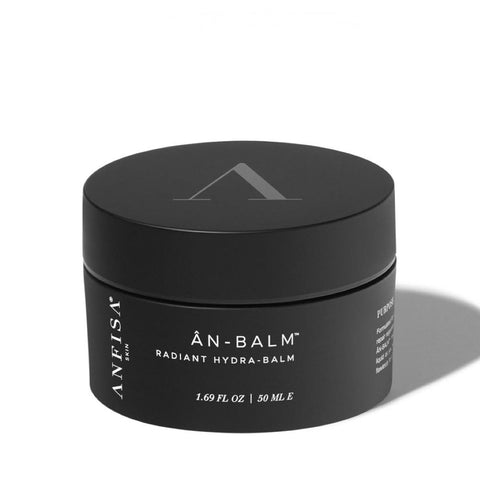
Product Recommendation
ANFISA
ÂN-BALM™ Radiant Hydra Balm <- Click to Shop

Product Recommendation
SHEGAIA
LumiWhite Vita Formula Ampoule <- Click to Shop
| Postbiotics — The "Metabolic Essence" of Good Bacteria
Common ingredients: Filtrates, Ferments, Lysates, Lactic Acid.

Product Recommendation
TWELVE BEAUTY
B12 Calm Serum <- Click to Shop

Product Recommendation
SHEGAIA
C3 AC Ampoule <- Click to Shop

Product Recommendation
AGENT NATEUR
holi(bright) Glass Face Mask <- Click to Shop
These are active substances such as peptides and organic acids produced after the fermentation of beneficial bacteria. They have extremely small molecules, and their functions are completely different from probiotics; however, they can improve skin health by enhancing specific physiological functions, such as regulating pH and providing powerful antioxidant benefits.

Product Recommendation
ANFISA
ÂN-DEW 10% Azelaic Acid + PHA Serum <- Click to Shop

Product Recommendation
HANISUL
Less More Noni Toner Fluid
In the world of microbiome skincare, we must establish a core concept: healthy skincare should not be about "pursuing sterility”, but rather "pursuing balance”.

Product Recommendation
SHEGAIA
Skin Conditioning Toner <- Click to Shop
This is like observing how children grow: those who frequently play in the mud and contact natural soil often have immune systems that know exactly how to distinguish friend from foe because they have constantly "practiced" with diverse microbes during growth; they are actually less likely to suffer from infections or allergies. Conversely, children who are overprotected—constantly wiping hands with alcohol wipes and long-term masking, completely isolated from external microbes—have immune systems that become sensitive and fragile due to lack of training, often falling ill more easily once they contact even trace amounts of pathogens.

Product Recommendation
TWELVE BEAUTY
Plant Perfection Gel Serum <- Click to Shop

Product Recommendation
EATH LIBRARY
The Pure Wonder Active Serum <- Click to Shop
The same principle applies to skincare. When we over-cleanse or rely on harsh antibacterial products, we are essentially destroying the "microbial forest" on our skin with our own hands.

Product Recommendation
AGENT NATEUR
acid(wash) Lactic Acid Brightening Cleanser <- Click to Shop
To rediscover your skin's healthy radiance, it isn't about washing your skin until it is sterile; it is about learning to optimize your internal environment through stress reduction, better diet, and sufficient sleep, supplemented by scientific skincare containing live probiotics, prebiotics, and postbiotics. Our focus should be on "fertilizing" and “repopulating", rather than "plundering" and “exterminating".

Product Recommendation
SHEGAIA
Zero Gravity Eye Complex Cream <- Click to Shop
When you respect the trillions of guardians on your skin, they will reward you with steady, healthy, and glowing skin through the most perfect defense mechanism.

Also in The Journal


How to Fix a Sunken Midface? Causes & Proven Skincare Guide
Struggling with a long mid-face, hollow cheeks, or visible tear troughs? Find out their causes and how to imnprove them with skincare.


Skin Can Also Have PTSD? The Skin Trauma Memory Repair Guide
Reoccurring acne, eczema, or sensitivity? This is because of "skin trauma memories"! Learn how to erase such damages and reset the skin matrix.


Extinguish the "Silent Fire": A Comprehensive Guide to Inflammaging
At the very core of anti-aging, the deepest and most lethal catalyst is actually "Inflammaging"——a silent killer hidden deep within the cells.
FOLLOW US
Sign up to get the latest on sales, new releases and more…

