



When experiencing sudden dryness, tightness, redness, inflammation, stinging, itchiness, sensitivity, or even recurring breakouts, many people's first reaction is often to frantically treat these “surface symptoms” — switching to ultra-hydrating, anti-allergy products or slathering on anti-inflammatory and acne creams — while completely overlooking the true root cause behind all these issues: your skin barrier is sounding the alarm!
Yes, these visible symptoms do need to be soothed, but if you don’t fundamentally repair, protect, and strengthen the skin’s outermost “lipid barrier”, no amount of moisturizing, calming, or anti-inflammatory products will ever solve the problem at its core. The issues will simply keep coming back, sometimes worse than before, creating a vicious cycle.
So, what exactly is the skin barrier? Why is it so critically important? How can you accurately tell if your barrier is already damaged? And what are the correct, science-backed methods to truly repair it and keep it strong long-term, so your skin can regain stability, plumpness, and resilience?
Let’s dive deep into this most essential yet most overlooked “invisible defense line” in skincare and guide you, step by step, back to your skin’s natural balance and radiant health.
The skin barrier, also known as the “lipid barrier”, is composed of ceramides, cholesterol, fatty acids, dead skin cells, and proteins. If skin cells are the “bricks”, then lipids are the “mortar” that binds everything tightly together.
This brick-wall-like structure, located in the outermost layer of the epidermis, primarily prevents moisture loss while keeping skin hydrated and healthy, and blocks external irritants such as bacteria, allergens, pathogens, chemicals, and environmental pollutants from entering the skin. When the barrier is healthy, your skin looks smooth, plump, and resistant to sensitivity.
In other words, the skin barrier is your body’s first line of defense. When it’s intact and functioning well, it not only locks in moisture but also shields you from bacteria, UV rays, pollution, and daily stress. When it becomes damaged, a cascade of skin problems follows.

How do you know if your skin barrier is already compromised? Here are the most common signs. These symptoms typically arise from lipid depletion or widened intercellular spaces, preventing the skin from defending itself effectively. If you notice several of these at once, it’s time to examine your skincare routine:
|Dryness & Tightness
Skin feels dry and tight, and even after applying hydrating serums or creams, the feeling doesn’t last. This is because the barrier can no longer retain moisture, causing rapid evaporation.
|Rough Texture & Flakiness
The skin surface becomes rough, flaky, or scaly — a clear sign of severe lipid deficiency.
|Heightened Sensitivity
Skin overreacts to products or environmental triggers — redness flares with temperature changes, even slight friction causes irritation. This is one of the most classic and distressing signs of barrier damage. The root cause is that gaps in the barrier allow ingredients or irritants to penetrate more easily, exposing nerve endings and amplifying sensations, making the skin “hyper-reactive”. This is also the pivotal moment when many people shift from “normal skin” to “sensitive skin”. If left unaddressed, sensitivity will keep worsening in a vicious cycle.
|Redness & Inflammation
Skin easily becomes red, inflamed, or repeatedly flares with eczema or rosacea. This is because the barrier can no longer block invaders, triggering immune responses upon contact with allergens, irritants, or pollutants.
|Stinging Sensation
Even gentle products, water, or light touch cause a stinging, burning, or prickling feeling — in the vast majority of cases, this has nothing to do with the product itself. Instead, a damaged barrier drastically lowers tolerance, exposing nerve endings so that any external substance, even harmless skincare or plain water, triggers discomfort.
A classic example: many people when switching products and feeling stinging, burning, redness, or tightness, would immediately blame the new product for "being too harsh” or “causing an allergic reaction”. In reality, the new product is rarely the culprit. The barrier was already compromised beforehand; the previous routine simply failed to repair it, leaving defense weakened. When a new (even gentle or reparative) product is introduced, its ingredients can now penetrate below the stratum corneum and reach sensitive nerve endings, causing obvious discomfort.
In short, stinging when switching products is usually not the new product “hurting” you — it’s the revelation of an existing barrier problem, with your skin crying for help: “My protective wall is broken — everything is getting in!”
|Itchiness
Persistent or recurring itchiness, especially worse in dry conditions, temperature shifts, or at night, is a common sign of immune overreaction after the barrier is damaged and exposed to triggers, even everyday ones like dust or hair, often leading to worsened redness from scratching.
|Recurring Acne
Acne keeps returning or suddenly surges. A damaged barrier fails to block bacteria and pathogens while disrupting the skin’s natural balance, causing breakouts to persist or explode.
These signs can accumulate gradually or erupt suddenly after exfoliating with scrubs, over-cleansing, extreme weather, or stress. When several appear together, it is a strong alarm that your skin barrier is severely compromised. Act quickly to repair it and prevent further deterioration.
Though the skin barrier is naturally robust, many seemingly harmless daily habits and external factors quietly erode it. When these accumulate or combine, they cause structural collapse, lipid loss, pH imbalance, widened cell gaps, oxidative stress, and chronic inflammation, leaving skin dry, sensitive, inflamed, and prone to flare-ups.
Here are the most common culprits to help you identify and prevent them:
|Harsh or Alkaline Cleansers
Cleansers containing sulfates (SLS/SLES), alkaline soaps (including handmade ones), or alcohol (such as Alcohol Denat.) aggressively strip the skin’s natural oils and acid mantle, rapidly raising pH from the normal mildly acidic range (4.5–5.5) to alkaline. This accelerates transepidermal water loss (TEWL), disrupts lipid balance, loosens the barrier, and allows irritants to penetrate more easily. Long-term use can cause permanent dryness and sensitivity.
|Physical Exfoliation / Scrubs
Gentle, regular exfoliation promotes healthy cell turnover, but physical scrub particles create invisible micro-tears while over-removing healthy stratum corneum cells and even damaging emerging ones. This directly weakens the “brick wall” structure, increasing permeability and making skin more prone to dryness, stinging, and redness.
|Friction & Mechanical Damage
Daily actions like vigorous face washing, towel rubbing, overuse of cleansing devices or brushes, sleeping on rough pillowcases, or using coarse makeup tools all create repetitive mechanical stress and micro-injuries. This disrupts lipid arrangement in the stratum corneum and impairs barrier renewal, leaving skin unable to block irritants, allergens, dust, pollutants, and bacteria, and subsequently resulting in heightened sensitivity, redness, and inflammation.
|Microbiome Imbalance (Dysbiosis)
Billions of beneficial bacteria live on the skin’s surface to help maintain an acidic environment, suppress pathogens, aid lipid synthesis, and interact closely with skin cells and the immune system to support barrier integrity. Over-cleansing, strong acne creams, long-term antibiotics, or chronic stress disrupt this balance, allowing harmful bacteria to proliferate. This not only slows barrier repair but also exacerbates eczema, rosacea, and acne.
|Environmental Stressors
Extreme temperatures (hot/humid or cold/dry), low-humidity, air-conditioned rooms, strong winds, and air pollution (PM2.5, heavy metals, ozone) all accelerate moisture evaporation and lipid oxidation. Pollutant particles can penetrate the stratum corneum, triggering oxidative stress and inflammation, and gradually thinning the barrier and reducing its function over time.
|UV Radiation
UV rays are one of the most powerful external aggressors against the barrier. They directly damage DNA, generate massive free radicals, break down collagen and lipid synthesis, and inhibit ceramide production, leading to photoaging and chronic inflammation. Even without visible sunburn, cumulative daily exposure slowly weakens the barrier, making skin more sensitive and aged.
|Inflammation
Acute or chronic inflammation creates a vicious cycle: damaged barrier ▶︎ irritants penetrate ▶︎ immune response ▶︎ cytokine release intensifies inflammation ▶︎ further destroys lipids and proteins. Many skin conditions, including eczema and rosacea, are the result of this cycle.
|Free Radicals & Oxidative Stress
Free radicals from pollution, UV, smoking, or poor diet attack skin lipids and proteins, causing lipid peroxidation, collagen breakdown, and antioxidant system imbalance, and thus accelerating barrier decline and visible aging.
|Stress
Chronic stress elevates cortisol levels, which suppresses lipid synthesis, slows cell repair, weakens barrier function, increases TEWL, triggers inflammation and excess sebum. This leads to dryness, breakouts, heightened sensitivity, and accelerated “stress aging”.
|Sleep Deprivation
Lack of deep sleep hinders cell renewal and synthesis of ceramides and collagen, delaying barrier repair, increasing TEWL, and reducing overall defense. Studies show people sleeping less than 5–6 hours nightly exhibit significantly worse aging signs and barrier issues.
|Nutritional Imbalances
Deficiencies in essential fatty acids (especially Omega-3), vitamins A/C/E, zinc, biotin, etc., directly impair lipid synthesis, antioxidant protection, and stratum corneum renewal. Long-term poor diet (high sugar, low fat, fried foods) leaves the barrier fragile and prone to inflammation.
|Aging
As we age, the skin’s natural ability to synthesize ceramides, cholesterol, and fatty acids gradually declines; the stratum corneum then thins and lipid content drops, making the barrier naturally drier, more fragile, and vulnerable to external damage. This is why dry lines and sensitivity often appear more prominently after middle age.
|Hormonal Changes
During perimenopause and menopause, sharp drops in estrogen reduce collagen synthesis, skin hydration, and lipid production, thinning the barrier, increasing TEWL, and raising sensitivity. Other hormonal fluctuations (menstrual cycle, postpartum, thyroid issues) can also affect barrier stability.
Because these factors rarely act alone and instead overlap and accumulate, the key is early recognition and proper care to effectively protect and repair your skin barrier.
Beyond the factors above, certain individuals are genetically or physiologically more susceptible to barrier damage. Understanding these risk factors helps you take preventive measures and strengthen your barrier early.
|People with Eczema
Those with eczema have inherently weaker, dysfunctional barriers that more easily allow allergens and irritants to penetrate, triggering itching, redness, dryness, and inflammation.
Genetically, mutations in the filaggrin (FLG) gene are common. This gene produces a protein essential for barrier maintenance; mutations create defects, making skin more prone to moisture loss and infection. Studies show up to 30% of eczema sufferers have FLG mutations, causing cells to fail to bind properly, thus creating “leaks” that trigger immune overreactions. Other related genes like IL4 and IL2RA can also drive allergic inflammation. When combined with the barrier-damaging factors listed earlier, eczema symptoms can flare repeatedly.
|People with Rosacea
Rosacea patients have higher barrier permeability and abnormal stratum corneum and lipid composition, leading to easier inflammation, sensitivity, burning sensation, or stinging, sometimes affecting the eyes (ocular rosacea).
Genetics account for roughly 50% of risk, whichc involves human leukocyte antigen (HLA) complex variations that cause the immune system to misidentify self-proteins, resulting in abnormal inflammation.
Glutathione S-transferase (GST) gene variants also reduce protection against oxidative stress, increasing cellular and barrier damage. Stress, UV, microbes, and diet can trigger neurovascular dysregulation and worsen symptoms. Family history significantly raises risk.
|Women in Perimenopause & Menopause
During perimenopause and menopause, fluctuating and declining estrogen and progesterone directly affect barrier structure and function.
Estrogen supports collagen synthesis, moisture retention, and lipid barrier integrity. Its decline thins the skin, increases dryness and TEWL, weakens defense, and heightens sensitivity, inflammation, and infection risk. Hormonal swings can also destabilize sebum production, further damaging the lipid layer. Studies show postmenopausal women not on hormone replacement therapy are far more prone to dryness and itchiness linked to barrier issues.
|Naturally Sensitive Skin Types
8 out of 10 women claim to have sensitive skin, but not all sensitivity is innate!
Naturally sensitive skin (also called innate or congenital sensitive skin) is a skin type present from birth, primarily determined by genetics. The barrier is inherently thinner, lower in lipids, has higher nerve ending density, or carries specific gene variants (e.g., filaggrin defects), causing stronger reactions to external stimuli than average.
These individuals often show clear symptoms from childhood or adolescence — easy redness, stinging, itchiness. Their tolerance is naturally low; even very gentle products can cause discomfort. This sensitivity is persistent and structural, difficult to fully “cure”, and requires lifelong gentle care for stability. Genetic eczema and rosacea sufferers typically fall into this category.
In contrast, acquired sensitive skin starts with a healthy barrier but becomes fragile due to cumulative damage from long-term improper care (over-cleansing, frequent use of devices/scrubs/massage), environmental factors (pollution, UV, extreme temperatures, prolonged air-conditioning), lifestyle habits (high stress, poor sleep, unbalanced diet), or hormonal changes.
Acquired sensitivity is usually reversible! Once irritants are removed and barrier repair is prioritized — supplementing ceramides, fatty acids, cholesterol, boosting hydration, improving lifestyle — tolerance often gradually returns, sometimes even to normal skin.
In simple terms: innate sensitive skin has a “genetically thin foundation”, while acquired sensitive skin is a “once-solid wall that got knocked down by yourself or the environment”. The former requires lifelong gentle protection; the latter has a real chance of being rebuilt to robust health with the right approach.
This process is divided into two phases: the repair phase focuses on rebuilding damaged structure, while the maintenance phase emphasizes consolidation and long-term care.
Below is a detailed step-by-step guide combining scientific principles, daily habit adjustments, and gentle, natural product recommendations that support barrier repair.
The core of this phase is “stop damage and rebuild” — first eliminate all irritants, then replenish missing essential components such as ceramides, fatty acids, cholesterol, and natural moisturizing factors (NMF) to allow natural healing. Avoid over-cleansing or friction (including cleansing devices, towel rubbing, vigorous washing, massage), as these further strip the barrier.
Repair requires patience — depending on skin condition and age, it typically takes 2 to 6 weeks. During this time, avoid anything that could worsen damage, such as hot showers or friction.
Follow these steps morning and evening for at least two weeks while observing whether the skin feels more comfortable, including reduced flaking/tightness, less redness/itching/stinging.
|Gentle Cleansing
Cleansing is the first step in skincare, but a damaged barrier cannot tolerate harsh cleansers. Choose mildly acidic, non-foaming cleansers to avoid stripping lipids while maintaining the skin’s acidic environment, supporting beneficial bacteria and suppressing pathogens.

Product Recommendation
SHEGAIA
Milksome Cica Cleansing Milk Balm <- Click to Shop

Product Recommendation
TWELVE BEAUTY
Purifying Cleansing Beauty Cream <- Click to Shop
|Supplement the Skin With Ceramides
Ceramides are the “mortar” of the barrier, comprising over 50% of its lipids. When damaged, external supplementation is essential to fill gaps and rapidly rebuild the “brick wall”. Studies show it can reduce transepidermal water loss by 20–30% immediately after use.

Product Recommendation
SHEGAIA
A5 Azulene Hyaluronic Exosome Mask <- Click to Shop

Product Recommendation
MARIE REYNOLDS LONDON
Ceramide Complex Supercharger <- Click to Shop
|Supplement Fatty Acids & Cholesterol
Fatty acids and cholesterol help stabilize barrier structure. The most direct way to replenish fatty acids is through face oils. Besides repairing, protecting, and strengthening the barrier with various omega fatty acids, they also deliver antioxidants, minerals, polyphenols, and plant nutrients that combat oxidative stress, soothe redness and sensitivity, reduce inflammation, stimulate collagen production, and reinforce overall resilience — addressing dryness, redness, sensitivity, inflammation, eczema, rosacea, and slowing aging simultaneously.

Product Recommendation
AGENT NATEUR
holi(oil) Ageless Face Serum <- Click to Shop
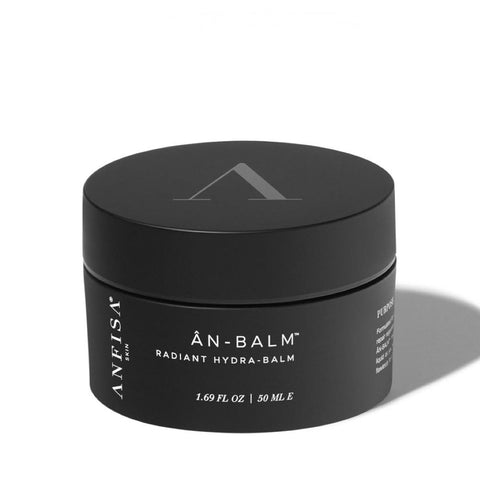
Product Recommendation
ANFISA
ÂN-BALM Radiant Hydra Balm <- Click to Shop
|Deep Moisture & Water Retention
Deep moisture not only means locking in water but also meeans replenishing natural moisturizing factors (NMF) such as hyaluronic acid, glycerin, and urea to keep the skin internally moist. When the barrier is damaged, TEWL is high, so multi-layer hydration is needed to rebuild the moisture gradient and avoid “false hydration” (hydrated on the surface but dry internally).

Product Recommendation
KLUR
Essentialist™ Transitional Moisture Cream <- Click to Shop

Product Recommendation
SHEGAIA
Water Shine Procedure Cream <- Click to Shop
|Calm Inflammation, Itchiness & Stinging
Inflammation is a byproduct of barrier damage. Use anti-inflammatory ingredients such as Omega-3, probiotics/prebiotics, and plant extracts (e.g., azulene) to soothe and improve the condition. These suppress pro-inflammatory cytokines, reduce redness and itchiness, prevent scratching-induced damage, and internally reinforce the barrier. The best approach combines topical and internal support.

Product Recommendation
SHEGAIA
VasoChill™ Cream <- Click to Shop

Product Recommendation
MARIE REYNOLDS LONDON
Restore Probiotic Mask <- Click to Shop

Product Recommendation
MARIE REYNOLDS LONDON
Butter Prebiotic Balm <- Click to Shop
Additional Tips During Repair Phase
Minimize outdoor exposure, maintain indoor humidity at 40–60% (too low damages the barrier further; too high promotes bacterial overgrowth). Avoid touching your face to reduce transfer of bacteria or allergens from the hands.
Once the skin no longer feels tight, stinging has stopped, redness has faded, and overall comfort is stable (usually after 4–6 weeks of repair), transition to the maintenance phase. The goal here is to “maintain” the rebuilt barrier, keeping it at peak condition while defending against daily stress, environmental aggressors, and aging. Because barrier-damaging factors exist every day, lifelong consistent care is essential to prevent relapse.
|Gentle Cleansing & Exfoliation
Morning and evening cleansing removes dirt, sweat, excess oil, pollutants, makeup, and sunscreen residue. Always use mildly acidic, sulfate-free, alcohol-free cleansers to avoid damaging the lipid layer or acid mantle, and minimize friction by avoiding cleansing brushes or devices.
When exfoliation is needed, choose products with mild acids and avoid physical scrubs.

Product Recommendation
AGENT NATEUR
holi(cleanse) Cleansing Face Oil <- Click to Shop

Product Recommendation
HANISUL
Less More Noni Gel Cleanser <- Click to Shop

Product Recommendation
SHEGAIA
Skin Conditioning Toner <- Click to Shop

Product Recommendation
AGENT NATEUR
acid(wash) Lactic Acid Brightening Cleanser <- Click to Shop
|Hydration
Different skin layers require varied hydrating ingredients to build a moisture gradient and keep stratum corneum cells plump, reducing water loss. Choose toners and serums with multiple hydrators rather than single-ingredient products (e.g., only hyaluronic acid or panthenol).
Apply a hydrating mist or toner within 60 seconds after cleansing to replenish moisture lost during cleansing or showering, then follow with a multi-hydrator serum.

Product Recommendation
SHEGAIA
Water Shine Procedure Ampoule <- Click to Shop

Product Recommendation
EATH LIBRARY
The Pure Wonder Active Serum <- Click to Shop
|Oil-Based Nourishment
Why is it necessary to continue using oils even after the barrier is repaired? Even when the barrier is stable, lipid production is still affected by age, hormones, environment, and lifestyle stress — the skin cannot produce enough ceramides, cholesterol, and fatty acids daily like it did when young. Hong Kong’s air-conditioning, pollution, humidity fluctuations, chronic stress, and poor sleep accelerate lipid loss and oxidation, keeping the barrier on the edge.
Oils rich in essential fatty acids, plant sterols, and antioxidants provide ongoing external replenishment, maintaining lipid barrier integrity and elasticity and preventing recurrent TEWL spikes. Long-term use prevents dryness, fine lines, and sensitivity relapse while boosting self-repair capacity and tolerance to daily stressors.
In short — unless you have very oily skin or mite-related issues — oils are not optional “extra moisture”; they are a “daily insurance policy” for barrier health in modern life, especially ideal for those 30+, inflammation-prone, or those with sensitive skin.

Product Recommendation
KLUR
Unseasonal Kind Lipid Replenishment Oil <- Click to Shop
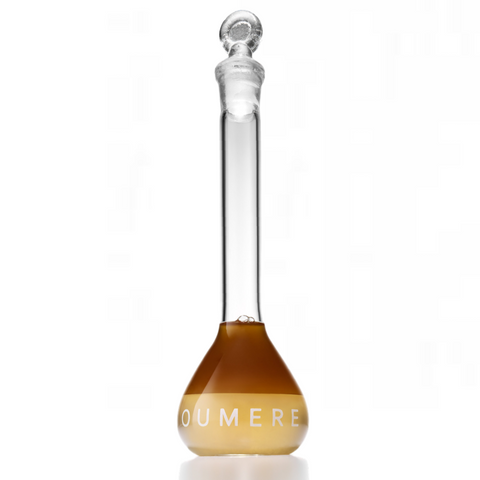
Product Recommendation
OUMERE
Serum Bioluminelle™ <- Click to Shop
|Moisturize & Water Retention
While the hydration step delivers water into the stratum corneum, without a subsequent “occlusive” layer, that moisture evaporates quickly. A properly chosen moisturizer forms a semi-permeable protective film on the skin surface, reducing water loss by 30–50% while softening rough texture and lowering irritant penetration risk.
Dermatologically, this “sandwich structure” (water + lipids + cream) is the most effective way to consolidate the barrier, significantly improving hydration, elasticity, and tolerance.
Note: thicker texture does not automatically mean better moisture. Long-term use of heavy creams can trap dead skin cells on the skin surface, blocking natural exfoliation and disrupting the skin’s renewal cycle. Accumulated dead cells lead to dryness, dullness, roughness, and even new fine lines on previously smooth skin. This thickened layer also traps excess oil and debris, clogging pores and creating an anaerobic environment perfect for acne bacteria while killing beneficial microbes, which could then lead to endless blackheads, whiteheads, enlarged pores, acne, and even inflammation.
In short, oily/combination skin should use lightweight creams (but never skip entirely!), but even dry skin should also avoid overly heavy formulas. Thick creams often give a false sense of superior moisture, which, more often than not, is just sensation, not reality.

Product Recommendation
HANISUL
Less More Noni Mild Cream <- Click to Shop

Product Recommendation
AGENT NATEUR
holi(crème) Filter Face Crème <- Click to Shop
|Antioxidant Protection
Antioxidants neutralize free radicals, preventing collagen breakdown, yellowing, cellular damage, and other aging signs while being indispensable for maintaining lipid barrier health.
The average person is exposed to 100,000–300,000 free radicals daily, and they can cause chronic inflammation that slowly erodes the barrier and reduces its protective function. Antioxidants intercept free radicals before damage occurs, reducing chronic inflammation and preserving barrier integrity. Studies show daily antioxidant application can decrease oxidative damage by over 20% and delay aging.
Some antioxidants also actively strengthen barrier structure and help repair prior damage. In fact, research has found certain antioxidants work not only on the surface but also internally to consolidate the barrier!
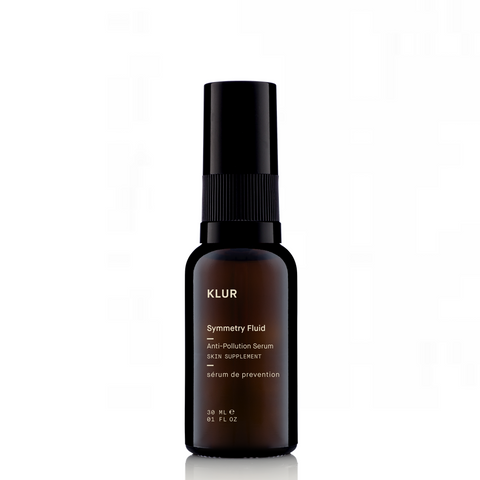
Product Recommendation
KLUR
Symmetry Fluid Skin Supplement Concentrate <- Click to Shop

Product Recommendation
SHEGAIA
LumiWhite Vita Formula Ampoule <- Click to Shop
|Daily Sunscreen
UV radiation is the barrier’s long-term enemy. UV causes lipid oxidation in the barrier, leading to mutations that impair function. It also disrupts lipid generation and induces oxidative stress, damaging barrier health. Therefore, sunscreen should be worn 365 days a year, no matter it is sunny, cloudy, rainy, indoor or outdoor.

Product Recommendation
HANISUL
Less More MO-A™ Daily Sun Cream SPF50+ PA++++ <- Click to Shop

Product Recommendation
TWELVE BEAUTY
Artemisia Power Protection Moisturiser SPF50+ <- Click to Shop
|Avoid Volatile Alcohols
Not all “alcohol” in skincare is bad, but volatile/simple/drying alcohols should be avoided, especially when listed high in the ingredient list (higher concentration). These alcohols act as solvents, quick-drying agents, or preservatives but evaporate rapidly, stripping surface moisture and natural oils, disrupting the lipid barrier, raising pH, and increasing TEWL, and subsequently leading to dryness, tightness, stinging, worsened sensitivity, and weakened defense. They are particularly problematic for already-damaged, sensitive, eczema, or rosacea skin.
Common volatile alcohols to avoid in skincare include Alcohol Denat., Denatured Alcohol, SD Alcohol, Ethanol/Ethyl Alcohol, Isopropyl Alcohol, Methanol.
As mentioned above, not all alcohols are bad for the skin. For instance, beneficial fatty alcohols (long-chain, waxy, non-volatile), often plant-derived, are excellent emollients, emulsifiers, and thickeners. They hydrate, nourish, reinforce the barrier, lock in moisture, soften skin, and form a protective film, and are safe, non-comedogenic, non-irritating, and ideal for dry, sensitive, or damaged skin.
Common beneficial fatty alcohols include Cetyl Alcohol, Stearyl Alcohol, Cetearyl Alcohol, Lauryl Alcohol, and Behenyl Alcohol.
|Supplement Adequate Omega-3
Studies show sufficient Omega-3 intake nourishes skin, strengthens the natural lipid barrier, protects against UV damage, and improves/prevents dryness and dehydration.
Omega-3 also blocks production of specific inflammation-related molecules, helping to prevent inflammation from barrier damage and fundamentally improving acne, psoriasis, eczema, and rosacea.
Rich food sources include salmon, mackerel, sardines, herring, trout, tuna, flaxseeds, chia seeds, and walnuts.
As for supplements, krill oil’s phospholipid-form Omega-3 is absorbed better than triglyceride-form fish oil due to easier intestinal uptake and higher bioavailability. Krill oil also contains powerful antioxidants that cross the blood-brain barrier (astaxanthin — “king of carotenoids”), plus vitamins A and E. In fact, research shows krill oil’s phospholipid Omega-3 can reduce inflammatory and hormonal acne by up to 42%!

Product Recommendation
MARIE REYNOLDS LONDON
Ocean EFA <- Click to Shop
|Adequate Sleep
Nighttime is the golden window for skin barrier repair. Deep sleep promotes cell turnover, ceramide and collagen synthesis, reduces TEWL, and boosts overall barrier function.
Studies show 7–9 hours of quality sleep significantly improves barrier recovery speed. Sleep deprivation raises cortisol, suppresses lipid synthesis, thins the barrier, and worsens dryness.
If sleep quality remains poor long-term, consider sleep-supporting supplements.

Product Recommendation
AGENT NATEUR
calm(beauty) Spermidine + Taurine <- Click to Shop

Product Recommendation
MARIE REYNOLDS LONDON
Zedz Night Time Blend <- Click to Shop
|Stress Management
Chronic stress elevates cortisol, disrupts the skin microbiome, suppresses lipid synthesis, slows cell repair, increases inflammation and TEWL, weakens the barrier, and accelerates aging. Studies show 10–20 minutes of daily stress-reduction practices can lower cortisol by 20–30%, stabilize hormones, promote barrier self-repair, and improve skin hydration and elasticity.
Also in The Journal


How to Fix a Sunken Midface? Causes & Proven Skincare Guide
Struggling with a long mid-face, hollow cheeks, or visible tear troughs? Find out their causes and how to imnprove them with skincare.


Skin Can Also Have PTSD? The Skin Trauma Memory Repair Guide
Reoccurring acne, eczema, or sensitivity? This is because of "skin trauma memories"! Learn how to erase such damages and reset the skin matrix.


Extinguish the "Silent Fire": A Comprehensive Guide to Inflammaging
At the very core of anti-aging, the deepest and most lethal catalyst is actually "Inflammaging"——a silent killer hidden deep within the cells.
FOLLOW US
Sign up to get the latest on sales, new releases and more…


