



Do perimenopause and menopause really cause "Precipitous Aging"?
Many women in their 40s often notice how their skin suddenly becomes dry, rough and sags, with a burst of fine lines, wrinkles, and dark spots, just as if they aged 10 years overnight… This is not an illusion. It is "precipitous aging" triggered by the sharp drop in estrogen during (peri)menopause!
First, hormonal fluctuations in perimenopause already start to unbalance the skin. Once true menopause begins, collagen can drop by up to 30% in the first 5 years, sebum production can decrease by 40% or more, and aging signs can accelerate dramatically in a precipitous manner. When combined with poor sleep quality and elevated cortisol, inflammation and aging snowball even faster.
Fortunately, precipitous aging is not inevitable! With proper skincare and targeted nutritional supplementation, you can effectively slow down, and even partially reverse, many of these visible aging signs!
Before true menopause begins, there is actually a transitional phase called "perimenopause". International medical consensus (such as Cleveland Clinic, Mayo Clinic, etc.) indicates that perimenopause usually starts in the mid-40s and lasts several years (average 4–8 years). However, some women may experience early signs as early as around age 35 due to genetic factors, health conditions, lifestyle stress, or family history.
Perimenopause is the stage when ovarian function gradually declines. At this time, estrogen levels begin to fluctuate and become unstable, but do not drop suddenly and sharply. Compared to the skin before this phase, changes are more gradual but already noticeable:
|Accelerated Loss of Collagen and Elastin
Estrogen helps stimulate collagen and elastin synthesis. Fluctuations during perimenopause cause collagen and elastin to start decreasing, leading to reduced skin elasticity and the appearance of fine lines and wrinkles. Compared to previously smooth and firm skin, texture becomes noticeably rougher.
|Uneven Sebum Production
Hormonal ups and downs cause unstable sebum secretion. Early stages may still show hormonal acne (especially on the chin), while later stages tend toward dryness. Compared to before, skin is more prone to localized dryness or sensitivity issues.
|Impairment of Skin Barrier Function
Synthesis of lipids such as ceramides slows down, affecting the barrier function. Besides increased transepidermal water loss, skin tolerance to external stimuli (such as skincare products, aesthetic treatments, or weather changes) decreases compared to before, making it more prone to redness, stinging, or itchiness.
Although these changes are not as dramatic as in menopause, if not addressed early and specifically, they will accelerate and accumulate into obvious signs of aging.
Menopause is formally defined as 12 consecutive months without menstruation (without other obvious physiological or pathological causes). At this point, estrogen levels drop sharply and stabilize at a low level, causing skin changes to be more sudden and comprehensive than in perimenopause. International medical consensus (such as Cleveland Clinic, Mayo Clinic, etc.) shows that menopause in Asian women typically occurs between 48 and 51 years old, though some women may experience early menopause before age 45 or late menopause after 55 due to genetics, health conditions, lifestyle stress, family history, smoking, or other factors (such as surgical history or chemotherapy).
This stage of skin change is often described as "precipitous", because after estrogen drops sharply and remains low, the skin’s physiological support systems suddenly lose their main pillar, causing multiple aging indicators to deteriorate rapidly in a short time. Unlike the gradual fluctuations of perimenopause, menopausal skin problems present a comprehensive and rapid step-like decline, creating a clear "before and after" contrast:
|Rapid Collagen Loss
Studies show that women can lose up to 30% of collagen in the first 5 years of menopause, causing skin to thin and sag. Skin also loses plumpness, elasticity, and glow, while nasolabial folds, neck lines, and eye wrinkles deepen significantly.
|Further Decline in Elasticity and Firmness
Besides collagen, elastin and hyaluronic acid also decrease, causing further sagging. Pores lose support from collagen and elastin, leading to loss of elasticity and visible enlargement — especially obvious on the T-zone and cheeks.
|Extreme Dryness and Severe Barrier Damage
During menopause, sebum production can drop by 40% or more, causing serious barrier damage. Compared to the mild dryness of perimenopause, moisture becomes severely deficient at this stage, making skin not only extremely dry and rough but also prone to cracking, sensitivity, and inflammation. In severe cases, it can even trigger eczema. This is especially noticeable if the skin is naturally dry.
|Increased Pigmentation
Estrogen decline affects melanin regulation. Combined with slower cell turnover, UV and inflammation-induced damage accumulates more easily, forming stubborn, hard-to-fade spots, such as age spots and melasma. Unlike perimenopause, where spots are mainly facial, menopausal pigmentation can also appear on the backs of hands, chest, and other body areas.
|Reduced Healing Ability
Growth factors and angiogenesis require estrogen. When estrogen drops, wound healing slows significantly. Even small cuts or acne marks may take months to fade and are more likely to leave scars than before.
|Formication (Crawling Sensation)
Formication is a tactile hallucination where the skin feels as if insects are crawling, stinging, or pricking. It commonly affects arms, legs, scalp, or the whole body and worsens at night. Research shows this is related to estrogen receptors in the skin——low estrogen increases nerve sensitivity and abnormal excitation of skin nerve endings. Combined with extreme dryness and weakened barrier, it causes neuropathic itching. This crawling sensation often leads to scratching, broken skin, infection, scarring, and even affects sleep and mood.
|Recurrence or New Onset of Adult Acne
Although overall sebum production can decrease by 40% or more in menopause, causing widespread dryness, roughness, and itching, the sharp drop in estrogen also leads to relative androgen dominance (androgens like testosterone become proportionately higher). In androgen-sensitive areas (such as chin, jawline and neck), local sebum overproduction occurs, causing pore clogging, bacterial growth, and inflammation. Combined with slower cell turnover, hyperkeratinization, weakened barrier, and elevated cortisol, menopausal acne is usually more stubborn, deeply inflammatory, and slower to heal.
|Poor Sleep Quality Amplifies All the Above Issues
Nighttime is the peak period for skin repair, but menopausal hot flashes, night sweats, and anxiety often cause frequent waking, shallow sleep, or insomnia, dramatically elevating cortisol levels. When this stress hormone remains chronically high, it breaks down collagen, suppresses collagen and elastin synthesis, worsens inflammation, damages the skin barrier, and increases oxidative stress, thus accelerating all signs of skin aging, slowing wound healing, and magnifying dryness and sensitivity issues.
To effectively combat "precipitous aging" in (peri)menopause, one must address the core issues comprehensively: rapid loss of collagen and elastin, extreme dryness and severe barrier damage, inflammation and increased pigmentation, and declining sleep quality.
|Gentle Cleansing
Menopausal (and perimenopausal) skin barrier is already fragile. Traditional foaming cleansers or sulfate-based products easily strip away remaining natural oils, worsening dryness, itching, and sensitivity. Choose pH-balanced, gentle cleansers like cleansing creams, cleansing balms or cleansing oils. Cleansing gels with added hydrating and soothing ingredients are also fine. Avoid products that cause a "tight after cleansing" feeling.
|Intensive Hydration & Barrier Repair
After entering perimenopause/menopause, sebaceous glands shrink significantly, natural oil production drops sharply, and natural moisturizing factors decrease, causing rapid moisture loss and barrier breakdown. Skin not only feels brittle and dry but also shows obvious redness, stinging, peeling, micro-cracks, and is prone to recurrent eczema or sensitivity. Many women find that their usual moisturizers suddenly "don’t hold"——moisture evaporates quickly because there is no lipid support to lock it in.
Single products often fall short here. The truly effective approach is a scientifically validated layered strategy that rebuilds the barrier from the inside out. Through the complete sequence of "deep hydration → lipid reconstruction → powerful moisture sealing & soothing", extremely dry and sensitive menopausal skin can be truly "restored" and gradually regain tolerance and bounce. This is the foundation that allows all subsequent anti-aging, brightening, and firming steps to work effectively. Once the barrier is stable, overall skin condition moves from "collapse" to "stability", effectively slowing the precipitous aging process.

Product Recommendation
SHEGAIA
Milksome Cica Cleansing Milk Balm <- Click to Shop

Product Recommendation
TWELVE BEAUTY
Purifying Cleansing Beauty Cream <- Click to Shop

Product Recommendation
AGENT NATEUR
holi(cleanse) Cleansing Face Oil<- Click to Shop
|Periodic Exfoliation
Estrogen is a major driver of keratinocyte proliferation and normal desquamation. After menopause, the entire epidermal renewal cycle slows significantly ——turnover can extend from approximately 28 days in younger skin to up to 60 days or longer. This slowdown causes a buildup of dead corneocytes on the surface, resulting in persistent dullness, roughness, and an ashy appearance. Also, dead cells trap debris inside pores, contributing to enlarged pores and comedones, while, melanin clearance becomes slower, leading to longer-lasting pigmentation. Additionally, the thickened layer of old cells reduces the penetration and efficacy of topical actives.
Because the skin barrier is already compromised in menopause, aggressive physical scrubs carry a high risk of irritation, micro-tears, further barrier damage, increased sensitivity, or rebound inflammation. Instead, choose gentle, yet periodic exfoliation by using enzymes and/or mild acids.
Enzyme exfoliants such as papain from papaya, bromelain from pineapple, or pumpkin enzymes work by selectively digesting the protein bonds between dead corneocytes, providing mild, non-abrasive exfoliation that brightens, smooths texture, and improves product absorption without causing stinging, redness, or dryness.
Mild acids, such as lactic acid, mandelic acid at 5–10%, gluconolactone or lactobionic acid, or low-dose salicylic acid, also help promote gentle turnover while minimizing irritation.
This regular, gentle “housekeeping” restores brightness, unclogs pores, accelerates clearance of pigmentation, and maximizes the efficacy of every other product in your routine — all while preserving the delicate perimenopausal/menopausal barrier. When done correctly, it helps shift skin from a dull, rough, congested state back toward a smoother, more luminous, and receptive condition.

Product Recommendation
SHEGAIA
Skin Conditioning Toner <- Click to Shop

Product Recommendation
OUMERE
No. 9 Exfolliant <- Click to Shop
|
|Intensive Hydration & Barrier Repair
After entering perimenopause or menopause, sebaceous glands shrink noticeably, natural oil production drops sharply, and natural moisturizing factors decrease, causing rapid moisture loss and barrier breakdown. Skin not only feels brittle and dry but also shows obvious redness, stinging, peeling, micro-cracks, and is prone to recurrent eczema or sensitivity reactions. Many women find their usual moisturizers suddenly "don’t hold" — moisture evaporates quickly because there is no lipid support to lock it in.
Single products often fall short in this situation. The truly effective approach is a scientifically validated layered strategy that rebuilds the barrier from the inside out. Through the complete sequence of "deep hydration → lipid reconstruction → powerful moisture sealing & soothing," extremely dry and sensitive menopausal skin can be truly restored and gradually regain tolerance and bounce. This is the foundation that allows all subsequent anti-aging, brightening, and firming steps to work effectively. Once the barrier is stable, overall skin condition moves from "collapse" to "stability," effectively slowing the cliff-like aging process.
Right after cleansing, when skin is cleanest yet most vulnerable and dehydrated, immediately apply a high-penetration hydrating toner or essence——this is the critical first step. When the stratum corneum is fully saturated, skin instantly feels soft and moist, allowing subsequent products to be absorbed properly.

Product Recommendation
AGENT NATEUR
holi(water) Hyaluronic Pearl & Rose Essence <- Click to Shop
Next, while hydration has not yet fully evaporated and skin is still damp, layer on hydrating serums or essences with multiple hydrating ingredients. Since different skin layers require different hydrators to create a moisture gradient (keeping corneocytes plump and reducing water loss), avoid single-ingredient products (such as those containing only hyaluronic acid or vitamin B5).

Product Recommendation
SHEGAIA
Water Shine Procedure Ampoule <- Click to Shop

Product Recommendation
KLUR
Immersion Serum Concentrate <- Click to Shop
Furthermore, serums containing ceramides and various plant-based oils are essential. Ceramides and oils are major components of intercellular lipids in the stratum corneum. Supplementing the "intercellular cement" lost during menopause effectively repairs the damaged barrier structure, fundamentally preventing moisture evaporation and external irritant invasion. Without them, even abundant hydration cannot be retained.
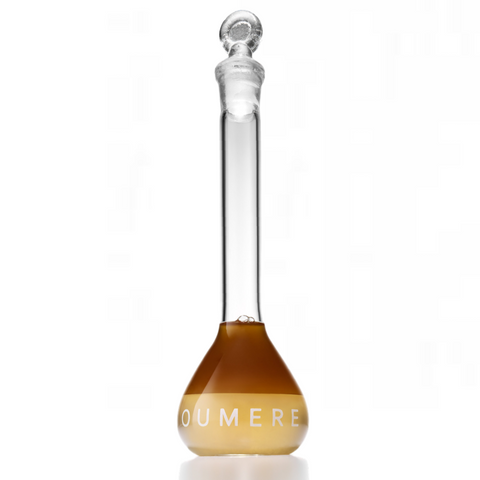
Product Recommendation
OUMERE
Serum Bioluminelle™ <- Click to Shop
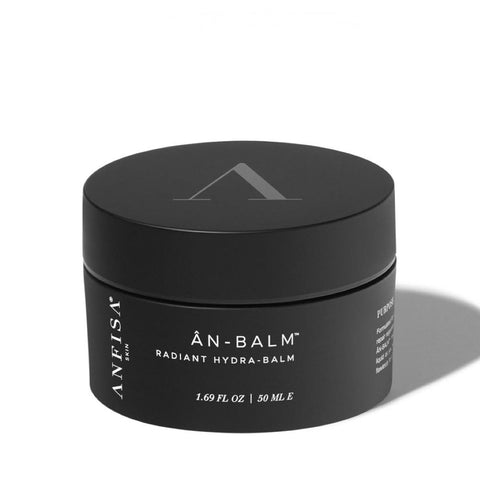
Product Recommendation
ANFISA
ÂN-BALM™ Radiant Hydra Balm <- Click to Shop
Finally, always follow with a moisturizing cream suited to your skin type, to help form a light yet powerful protective film, firmly sealing in all the moisture and lipids added earlier so they do not escape easily.
Note that a thick, heavy cream does not automatically mean better moisture-retention Long-term use of overly occlusive creams can trap aged corneocytes on the surface, preventing natural exfoliation and disrupting the skin’s normal renewal cycle. When old corneocytes cannot shed, skin becomes dry, dull, rough, and even previously smooth areas start showing dry lines and fine lines. This thickened layer of aged corneocytes also traps excess oil and debris inside the skin, clogging pores and creating an anaerobic environment favored by acne bacteria while killing beneficial skin microbes. The result? Endless blackheads, whiteheads, enlarged pores, acne, and even dermatitis.

Product Recommendation
AGENT NATEUR
holi(crème) <- Click to Shop

Product Recommendation
HANISUL
Less More Noni Mild Cream <- Click to Shop
|Anti-Aging & Collagen/Elastin Stimulation
Collagen and elastin are the key proteins that maintain skin thickness, elasticity, and firmness. After estrogen decline in perimenopause/menopause, their synthesis rate slows dramatically while degradation accelerates, causing skin to thin, sag, and droop within just a few years. Fine lines deepen into wrinkles, facial contours gradually lose definition, and pores enlarge noticeably due to lack of structural support.
The real solution lies in actively stimulating fibroblast activity to encourage renewed synthesis of collagen and elastin, rebuilding the skin’s internal "steel framework" from within. This requires scientifically validated active ingredients and technologies such as growth factors, peptides, EGF (epidermal growth factor), retinol, exosomes, spicule/micro-needle technology, human adipocyte conditioned media extract, or certain clinically proven plant extracts. These ingredients penetrate the epidermis and dermis, activating fibroblast signaling pathways to promote production of type I and III collagen, elastin, and hyaluronic acid, thereby increasing skin thickness, restoring elasticity and firmness, lifting facial contours, reducing wrinkle depth, and reviving youthful skin texture.
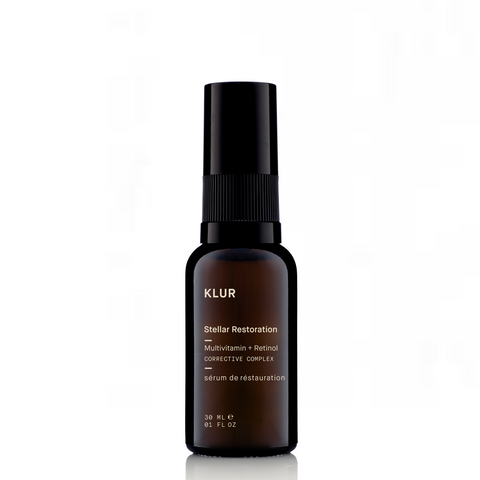
Product Recommendation
KLUR
Stellar Restoration <- Click to Shop

Product Recommendation
HANISUL
Less More MO-A™ Advanced Ampoule <- Click to Shop

Product Recommendation
SHEGAIA
T3 Collagen Multi-Vita Exosome Mask <- Click to Shop

Product Recommendation
AGENT NATEUR
holi(lift) Ageless Lifting and Firming Serum <- Click to Shop

Product Recommendations
SHEGAIA
Zero Gravity Eye Complex Cream <- Shop Now
At the same time, for pore enlargement caused by insufficient collagen support, prioritize volumizing/filling ampoules or serums. These products often combine peptides, collagen boosters, and instant-filling ingredients to fill gaps around pores for immediate visual minimization; over the long term, they continuously stimulate collagen production to reinforce pore structure support, allowing pores to naturally tighten and stop enlarging due to sagging. This dual approach effectively addresses both sagging and enlarged pores.

Product Recommendation
SHEGAIA
PORE Perfection <- Click to Shop

Product Recommendation
SHEGAIA
ARCTIC™ Spicule TECA Serum <- Click to Shop
|Improving Pigmentation & Dark Spots
Estrogen decline not only affects collagen and elasticity but also directly disrupts melanin regulation mechanisms. Normally, estrogen inhibits tyrosinase (the key enzyme in melanin synthesis), promotes even melanin distribution, and accelerates epidermal cell turnover to prevent pigment buildup. In (peri)menopause, with estrogen stably low, tyrosinase activity increases relatively, melanin production rises, and cell turnover slows, making it harder for existing pigment to be shed. Accumulated UV damage, oxidative stress, post-inflammatory hyperpigmentation, and hormonal imbalance further amplify this effect, causing stubborn melasma, age spots, and sun spots to rapidly increase on the face, backs of hands, chest, and neck. Colors also deepen from light brown to dark brown, often appearing in patches or spots, severely affecting overall skin tone uniformity and radiance.
To effectively improve and prevent, multiple brightening and spot-fading ingredients are needed, such as vitamin C, alpha-arbutin, alpha-bisabolol, glutathione, kojic acid, tranexamic acid, licorice root, dipotassium glycyrrhizinate, white tomato, resveratrol, and peony root extract, to simultaneously inhibit tyrosinase activity, reduce melanin production, block melanin transfer from melanocytes to keratinocytes, alleviate inflammation and post-inflammatory pigmentation, and accelerate turnover. This combination fades existing spots while preventing new ones from forming.

Product Recommendation
SHEGAIA
Mitobliss Brightening Mask <- Click to Shop

Product Recommendation
SHEGAIA
LumiWhite Vita Formula Ampoule <- Click to Shop

Product Recommendation
EATH LIBRARY
The Pure Wonder Active Serum <- Click to Shop

Product Recommendation
SHEGAIA
Blanc Procedure Radiance Serum <- Click to Shop

Product Recommendation
KLUR
Brilliant Light Multi-Correctional Repair Serum <- Click to Shop
|Year-Round Sunscreen
Sunscreen is the final line of defense against precipitous aging in perimenopause and menopause, as well as the cornerstone of every skincare routine. UV rays (especially UVA and UVB) accelerate collagen and elastin breakdown, trigger oxidative stress, stimulate melanin production, worsen pigmentation, damage the skin barrier, and aggravate enlarged pores and sagging. Research shows that low estrogen in perimenopause and menopause further reduces skin tolerance to UV, so any sunburn or cumulative damage creates a "cliff-like" amplified effect. In other words, even on cloudy days, indoors, in winter, or for brief outings, sunscreen cannot be skipped.
When choosing sunscreen for perimenopause/menopause, prioritize moisturizing and gentle formulas. Menopausal skin is already extremely dry, so overly lightweight sunscreens are unsuitable. Ideal products should contain hydrating ingredients like hyaluronic acid, ceramides, squalane, or plant oils, thereby providing protection while repairing the skin.

Product Recommendation
HANISUL
Less More MO-A™ Daily Sun Cream SPF50+ PA++++ <- Click to Shop

Product Recommendation
TWELVE BEAUTY
Artemisia Power Protection Moisturiser SPF50+ <- Click to Shop
Menopausal (and perimenopausal) skin issues stem from internal hormonal and nutritional imbalances. While topical skincare is important, internal supplementation is equally essential! The key principle is long-term consistency — at this age, any supplement requires at least 3 to 6 months of continuous use to show real results. Stop-and-start supplementation won’t work, and thinking "half a year or a year supplementation will give life-long results=" is unrealistic. Pairing with a balanced diet is also essential.
|Collagen
Collagen loss accelerates dramatically during menopause (up to 30% in the first 5 years). Relying on daily diet alone is insufficient, and commonly mentioned collagen-rich foods like fish maw have molecules too large for the body to absorb effectively.
The most evidence-based oral choice today is marine collagen peptides (minimum 8–10 g per day, i.e., 8,000–10,000 mg). It can be absorbed through the intestine into the bloodstream, stimulating fibroblasts to generate new collagen, thereby increasing skin thickness, elasticity, and hydration. Studies show consistent intake can improve dryness, fine lines, and sagging — especially suitable for menopausal skin thinning and sagging signs.
When selecting, ensure the dose is adequate; daily amounts below 8 g (8,000 mg) are insufficient. Also avoid formulas with any added sugar, phytoestrogens, or flavorings.

Product Recommendation
AGENT NATEUR
holi(mane) Collagen & Pearl Powder <- Click to Shop
|Omega-3 Fatty Acids
Omega-3 fatty acids not only have powerful anti-inflammatory effects but also moisturize the body and support lipid barrier reconstruction, helping relieve extreme dryness, itching, and inflammatory signs (such as adult acne, eczema, rosacea) during perimenopause and menopause. Additionally, they stabilize collagen, reduce oxidative stress–induced collagen breakdown, and help with pigmentation issues.
When choosing, krill oil is recommended. While fish oil also provides omega-3, human cell membranes are composed of phospholipids, so the phospholipid-form omega-3 in krill oil passes through the intestinal wall into the bloodstream more easily and is better utilized by the body, meaning krill oil has higher absorption and bioavailability than triglyceride-form fish oil.
Krill oil is especially beneficial for acne, particularly hormonal ones. First, it significantly lowers blood inflammation levels and pro-inflammatory proteins, while its rich astaxanthin helps the body and skin resist free radical damage that causes inflammation — fewer inflammations naturally mean fewer acne outbreaks. Second, when the liver produces excess IGF-1 hormone, skin inflammation and sebum secretion increase; krill oil helps regulate these hormones and prevent acne. Third, krill oil supports the body in producing eicosanoids, which modulate inflammatory responses and restore hormonal balance, improving acne caused by hormonal fluctuations.
On the other hand, krill oil’s super-antioxidant astaxanthin (known as the "king of carotenoids", with antioxidant power 6,000 times higher than vitamin C), which can cross the blood-brain barrier, along with other antioxidants and vitamins A and E, is one of the main reasons it is considered superior to fish oil.

Product Recommendation
MARIE REYNOLDS LONDON
Ocean EFA Krill Oil <- Click to Shop
|Spermidine
Spermidine, a highly regarded anti-aging ingredient in recent years, is a natural polyamine compound present in all living cells. Its primary mechanism is strong induction of autophagy, helping cells clear damaged proteins, mitochondria, and organelles, promoting renewal and repair, and delaying age-related degeneration — though levels decline with age.
In perimenopause and menopause, spermidine reduces oxidative stress and systemic inflammation at the cellular level and improves cellular function, providing auxiliary support for fatigue, metabolic slowdown, mood swings, and skin aging. Research shows it promotes fibroblast activity, protects and renews collagen and elastin fibers, reduces inflammation-induced collagen damage, helping skin maintain a firmer, more elastic state and improving elasticity, radiance, and wrinkle depth.
Spermidine also supports hormonal balance. Preliminary studies suggest it may influence estrogen-to-progesterone ratios or modulate stress hormones and blood sugar stability, indirectly relieving mild hot flashes, mood fluctuations, or skin dryness.

Product Recommendation
AGENT NATEUR
calm(beauty) Spermidine & Taurine <- Click to Shop
|Berberine
Berberine is a natural AMPK activator that mimics the metabolic effects of exercise and calorie restriction. Its main mechanisms include activating the AMPK pathway, improving insulin sensitivity, lowering blood sugar and lipids, and suppressing inflammatory signals such as NF-κB, thus delivering strong anti-inflammatory and antioxidant effects.
In perimenopause and menopause, berberine’s benefits focus on addressing insulin resistance and metabolic syndrome issues common after estrogen decline. Insulin resistance leads to blood sugar fluctuations, weight gain (especially abdominal fat), elevated systemic inflammation, and worsened skin inflammation, adult acne recurrence, dullness, and swelling. Clinical studies show berberine significantly reduces fasting blood glucose, HbA1c, total cholesterol, and triglycerides, improves insulin sensitivity, and helps control weight and reduce visceral fat. These metabolic improvements lower systemic inflammation, thereby reducing inflammatory acne, redness, and sensitivity on the skin.
Additionally, by stabilizing blood sugar and reducing insulin resistance, berberine alleviates high insulin’s stimulation of androgens, relieving lower-face adult acne caused by relative androgen dominance. It also reduces stress hormones and inflammation’s interference with the hormonal axis, indirectly helping to stabilize mood and hot flashes.

Product Recommendation
SHEGAIA
Berberine Plus <- Click to Shop
|Algae
Algae serve as an auxiliary supplement during perimenopause and menopause primarily for nutritional support, alkalization, detoxification, and mild anti-inflammatory effects, while indirectly supporting hormonal stability and skin health.
Algae such as spirulina, chlorella, and seaweeds are rich in iodine, protein, B vitamins, iron, zinc, magnesium, omega-3 precursors, antioxidants, and trace elements. They provide comprehensive nutritional support, helping maintain energy, relieve fatigue and metabolic slowdown, stabilize the nervous system, improve anemia-related issues, and support mood balance. Meanwhile, their phycocyanin, chlorophyll, and polyphenols clear free radicals and combat oxidative stress and inflammation, providing auxiliary improvement for skin dullness, dryness-related inflammation, adult acne, eczema and sensitivity.
Furthermore, algae promote detoxification and gut balance, reduce systemic inflammation, indirectly stabilize the gut-brain-hormone axis, and relieve mood swings, hot flashes, and skin discomfort. Certain seaweeds contain trace phytoestrogens that can mildly mimic estrogen activity, helping alleviate mild hot flashes or skin dryness.

Product Recommendation
MARIE REYNOLDS LONDON
Evolve Algae Blend <- Click to Shop
|Phytoceramides
Ceramides are the main lipid component of the stratum corneum, responsible for moisture retention and barrier formation. Estrogen decline in perimenopause and menopause reduces ceramide synthesis, accelerating moisture loss and leading to extreme dryness, roughness, cracking, and sensitivity. Plant-derived ceramides are orally absorbed into the bloodstream and transported to the skin, replenishing lost lipids, rebuilding the barrier from within, reducing transepidermal water loss (TEWL), alleviating inflammation, and enhancing hydration capacity. Long-term use can transform skin from "brittle and hard" to "soft and bouncy."
Clinical studies show plant ceramides significantly improve menopausal skin: in some trials, hydration increased by 19% and elasticity by 18% within 56 days, with visible reduction in wrinkles and roughness. Other research indicates improved skin thickness and radiance, relief from dryness-related inflammation and itching, and auxiliary benefits for hair and nail health. These effects are particularly pronounced in perimenopausal and menopausal women because they directly target the lipid deficiency caused by estrogen decline.

Product Recommendation
AGENT NATEUR
holi(radiance) OptiMSM® + CERAMOSIDES™ <- Click to Shop
|Probiotics
During perimenopause and menopause, estrogen decline alters gut microbiota composition, leading to dysbiosis, increased intestinal permeability, and elevated systemic inflammation. Specific probiotic strains (such as Lactobacillus and Bifidobacterium) maintain gut diversity and balance, lower inflammation markers (e.g., CRP), and improve intestinal barrier function, thereby reducing systemic inflammation. This provides auxiliary improvement for menopausal skin dullness, dryness-related inflammation, sensitive eczema flare-ups, and adult acne. When gut health improves, systemic inflammation decreases, the skin barrier strengthens, and feelings of dryness and itching are reduced.
Some studies also show probiotics can improve menopausal symptoms (such as hot flashes, mood swings, and genitourinary health) by modulating estrogen recirculation in the gut (estrobolome), indirectly relieving lower-face acne caused by relative androgen excess.
Special mention goes to "gluten-degrading probiotics" for gluten-related issues. These patented strains produce proteases that actively break down gluten proteins in food, reducing the immune and inflammatory response to gluten. Many menopausal women become more sensitive to gluten due to increased intestinal permeability, leading to bloating, swelling, systemic inflammation, and worsened skin inflammation (adult acne, eczema, or dullness). Supplementing with gluten-degrading probiotics reduces gut burden and permeability, thereby lowering whole-body inflammation and helping skin become more stable — especially suitable for women who frequently consume gluten, experience bloating, or have sensitive digestion.

Product Recommendation
SHEGAIA
Gluten SlimCut <- Click to Shop
|Nighttime Sleep Support Formulas
Perimenopause and menopause often bring hot flashes, night sweats, and anxiety, causing frequent waking, shallow sleep, reduced deep sleep, and shorter total sleep time. High-quality sleep is the golden window for skin repair: nighttime is the peak period for collagen synthesis, barrier repair, and cellular renewal, with most growth factors and repair enzymes released at this time. If sleep is insufficient or poor quality, cortisol (the stress hormone) remains chronically elevated. This not only suppresses collagen synthesis but also accelerates its breakdown, causing skin to thin, lose elasticity, deepen fine lines, and sag faster.
At the same time, high cortisol worsens systemic inflammation, aggravating dryness, sensitivity, redness, and adult acne recurrence; it damages the barrier, promotes melanin production, and slows healing. Menopausal skin is already fragile due to low estrogen, and poor sleep further amplifies these issues, making the skin more prone to cracking, itching, and even formication. Studies show chronic sleep deprivation visibly accelerates skin aging signs (wrinkles, dullness, loss of elasticity) in a short time, presenting a precipitous progression.
The main value of sleep-support supplements lies in calming the nervous system, reducing nighttime waking and muscle tension, helping the user more easily enter deep sleep and REM stages. This lowers cortisol levels and maximizes the nighttime repair peak, giving skin sufficient time for self-renewal and moisture retention. With long-term sleep improvement, collagen breakdown slows, inflammation decreases, the barrier strengthens, and skin gradually moves from "tired and dry" to "healthy and restored".

Product Recommendation
MARIE REYNOLDS LONDON
Zedz Nigh Time Blend <- Click to Shop
Also in The Journal


Skin Can Also Have PTSD? The Skin Trauma Memory Repair Guide
Reoccurring acne, eczema, or sensitivity? This is because of "skin trauma memories"! Learn how to erase such damages and reset the skin matrix.


Extinguish the "Silent Fire": A Comprehensive Guide to Inflammaging
At the very core of anti-aging, the deepest and most lethal catalyst is actually "Inflammaging"——a silent killer hidden deep within the cells.


Stabilize Summer Skin: Fix Acne, Eczema & Rosacea Inside Out
Recurring acne, eczema and inflammation during summer? How to soothe "emotional" skin and restore calm and stability?
FOLLOW US
Sign up to get the latest on sales, new releases and more…


