



Have you ever noticed that some skin problems linger like ghosts? A major breakout occurs on a certain spot, and from then on, whenever your period approaches or stress levels spike, a breakout inevitably "resurrects" in that exact same location. Or perhaps your cheeks, which suffered a severe reaction years ago, have now become a permanent disaster zone of stubborn redness and reactivity?
This is absolutely not your imagination!
Modern dermatology has confirmed that skin has memory. When the skin experiences "trauma" such as inflammation, UV damage, or barrier impairment, an imprint akin to Post-Traumatic Stress Disorder (PTSD) is left inside the cells. Without precise intervention and repair, this memory will continue to wreak havoc, triggering long-term chronic skin concerns.
Today, we will thoroughly deconstruct what "skin trauma memory" is, examine how it alters your skin texture under the influence of epigenetics and immune cells, and provide an evidence-based repair protocol grounded in cutting-edge science to teach you how to fade, reset, and erase this "trauma memory”.
In the past, the medical community widely believed that only the lymphatic system (such as T cells and B cells) possessed immune memory. However, breakthrough research published in recent years in the authoritative journal Nature and the Journal of Inflammatory Research has completely overturned this notion: epidermal stem cells (EpSCs) in the skin likewise possess a powerful capacity for "localized inflammatory memory”.
When the skin encounters trauma (such as severe inflammation like eczema, over-exfoliation, UV burns, or picking at acne), the following three clinical mechanisms are quietly at work on a microscopic level, etching the imprint of trauma:
| Epigenetic Reprogramming
Research from the renowned Elaine Fuchs laboratory at The Rockefeller University points out that when the skin experiences acute inflammation, the tightly wound DNA chromatin on chromosomes is forced to open up ("Chromosomal Accessibility") to release anti-inflammatory signals. Shockingly, even after the inflammation subsides and the surface wound heals, these opened DNA regions do not close back up. This histone modification is passed down through generations to newly formed epidermal stem cells, leaving them in a prolonged, highly vulnerable state of "high alert and pro-inflammation”.
| Anchoring of Tissue-Resident Memory T Cells (TRM Cells)
Clinical immunology confirms that after inflammation subsides, a specialized class of immune cells—CD69+ and CD103+ Tissue-Resident Memory T Cells (TRM cells)—do not leave via the bloodstream. Instead, they permanently "garrison" at the dermal-epidermal junction of that specific skin area. They act like latent sentries; upon encountering even a minor external stimulus, they release a massive wave of localized inflammatory cytokines (such as IL-4, IL-13, IFN-γ) at a speed several times faster than the initial inflammatory event
| Neurovascular "Pathological Remodeling"
Recurrent chronic inflammation stimulates nerve growth factor (NGF) in the skin, leading to abnormal proliferation of localized nerve fibers. Concurrently, the endothelial cells of microvessels lose their elastic recoil due to prolonged pressure. Clinically termed chronic vasodilation, this is the root cause behind stubborn redness and the inability of localized capillaries (Telangiectasia) to constrict on their own.
When the skin remembers trauma, different skin types and symptoms evolve into entirely distinct chronic frustrations:
| Sensitivity & Redness
Clinical Presentation: After experiencing severe redness and sensitivity just once for whatever reason, the skin becomes chronically fragile and reactive thereafter. Especially during seasonal transitions, hot and humid weather, exposure to wind, slightly aggressive cleansing/wiping, or even when using home beauty devices, the face is highly prone to burning, flushing, and signs of sensitivity.
Scientific Evidence: Following acute chemical or physical damage to the skin barrier, epidermal keratinocytes release large amounts of "epithelial alarmins" (such as TSLP and IL-33). Studies show that these alarmins permanently upregulate the sensitivity of localized TRPV1 (capsaicin receptors, the neural receptors responsible for sensing heat and pain). Consequently, when otherwise healthy skin faces ordinary physical contact or simple temperature fluctuations, it misinterprets them as "danger signals”, triggering incessant neurogenic redness and stinging.
| Acne & Chronic Acne
Clinical Presentation: Acne or inflammation repeatedly erupts in the exact same pore or location, sometimes leaving behind nodules or cysts that feel hard to the touch.
Scientific Evidence: Research on acne pathology published in the Journal of Clinical and Aesthetic Dermatology (JCAD) indicates that when a breakout is subjected to external squeezing or undergoes severe suppuration, a dermal tear occurs within the sebaceous follicle duct, forming microscopic "follicular scarring”. This localized structural deformation permanently narrows the pore's original self-cleansing channel. Worse still, beneath 77% of old acne marks—including post-inflammatory erythema (PIE) and post-inflammatory hyperpigmentation (PIH)—persistent inflammatory cell infiltration can still be observed under a microscope. This means "trauma memory" keeps the follicle in a state of micro-inflammation; as soon as hormones fluctuate, sebum and C. acnes erupt anew along the deformed channel.
| Eczema & Dermatitis
Clinical Presentation: Even when the eczema or inflamed area appears to have lost its redness and swelling and no longer itches, it inevitably flares up again in the "same old spots"—such as the inner elbows, cheeks, or around the eyes—whenever the environment gets dry/humid or stress runs high.
Scientific Evidence: A breakthrough medical review published in the International Journal of Molecular Sciences in 2026 confirmed that the core of clinical eczema recurrence is Th2-polarized TRM cells (Tissue-Resident Memory T Cells). Even under skin surfaces clinically judged as “healed”, these TRM cells remain highly active and continuously suppress the expression of barrier genes like filaggrin and loricrin. This leads to a long-term deficiency in the synthesis of ceramides and fatty acids (lipids) in the localized skin previously affected by eczema. As a result, the transepidermal water loss (TEWL) rate in that zone remains permanently higher than that of the surrounding skin, creating a persistent "defense loophole”.
| Rosacea
Clinical Presentation: Capillaries on the cheeks and sides of the nose become increasingly visible. Once stimulated by temperature changes, spicy food, or emotional excitement, the flushing lasts longer and longer, eventually evolving into papules or persistent erythema.
Scientific Evidence: Rosacea pathology reveals that every episode of "facial flushing" represents a physical trauma to the vascular endothelium. Inflammation-induced matrix metalloproteinases (MMPs) heavily degrade the collagen support structures surrounding microvessels. Deprived of collagen containment, vessels cannot snap back normally after dilating. Over time, endothelial cells memorize the dilated width, ultimately evolving into irreversible, permanent telangiectasia, accompanied by high-frequency releases of Substance P from nerve endings, which induces burning and stinging sensations.
| Aging & Precipitous Aging
Clinical Presentation: Following a severe sunburn, prolonged periods of late nights and stress, or sudden hormonal shifts (such as perimenopause or menopause), the skin experiences localized sagging, indentation within a short timeframe, or leaves behind a stubborn, unyielding dark spot where inflammation once occurred.
Scientific Evidence: This is a classic case of “inflammaging". When cells are heavily damaged by UV radiation or chronic inflammation, a subset enters a state of "cellular senescence”. These cells do not die; instead, they transform genetically into senescent cells (or zombie cells) and continuously secrete a toxic cocktail known as SASP (Senescence-Associated Secretory Phenotype). SASP contains high concentrations of IL-6, IL-1β, and collagen-degrading enzymes, spreading like wildfire and aggressively destroying the collagen network (dermal matrix) of surrounding healthy cells. This is the root cause behind why the skin can exhibit localized "precipitous sagging" and structural laxity a mid-term after a single severe trauma or intense sun exposure.
To wipe out the skin's trauma memory, relying solely on ordinary hydration, moisturizing, and soothing is absolutely insufficient. We must intervene simultaneously across six dimensions: remodeling the lipid barrier, resetting cellular epigenetics, precisely disrupting follicular scarring, blocking neurovascular hypersensitivity, halting the inflammatory cascade, and clearing out senescent cells:
| Strategy 1: Replenish Lipids to Rebuild the Barrier's "Biomimetic Defense Memory"
Faced with the "defense loophole" in sensitive and eczema-prone areas—where the continuous suppression by TRM cells leaves the skin's own ceramide and fatty acid synthesis capacity compromised long-term—simple hydration is not enough to prevent evaporation, and will only leave the skin perpetually dehydrated and dry.
What is required at this stage is "Biomimetic Lipid Therapy”.
According to clinical barrier repair studies published in the Journal of Investigative Dermatology, when the skin suffers chronic barrier damage, only the replenishment of pure lipids matching the natural epidermal lipid ratio (fatty acids, cholesterol, ceramides) can effectively reboot the self-repair mechanisms of the intercellular matrix. This rapidly lowers transepidermal water loss (TEWL) and sends a signal to the underlying keratinocytes that the "alarmin alert is cleared”, thereby calming the hypersensitized immune cells.
In other words, a face oil—a pure botanical repair oil blend rich in essential Omega-3, 6, and 9 fatty acids, is a must. Its ultra-small molecular structure can rapidly penetrate deep into the stratum corneum, filling the gaps between cells, resetting the skin's natural defense barrier, and restoring calmness to sensitive skin that has been on "high alert" for years.
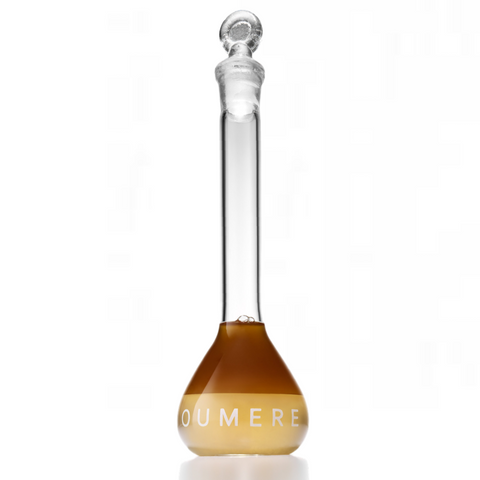
Product Recommendation
OUMERE
Serum Bioluminelle™ <- Click to Shop

Product Recommendation
AGENT NATEUR
holi(oil) Ageless Face Serum <- Click to Shop

Product Recommendation
KLUR
Unseasonal Kind Lipid Replenishment Oil <- Click to Shop
| Strategy 2: Utilize Regenerative Medicine Ingredients to Reset the Cells' "Epigenetic Damage Blueprint"
Traditional antioxidants can only neutralize free radicals; they cannot reverse the gene expression of "epigenetic memory" at the chromosomal level of epidermal stem cells. We must look to the most advanced intercellular messenger technologies in modern regenerative medicine—such as growth factors, PDRN, and exosomes—to help reset the cells. They precisely target damaged epidermal stem cells, delivering repair signals directly to reset cellular epigenetic memory, while reversing localized aging and inflammatory imprints from the root.
Clinical literature from the Institute for Stem Cell and Regenerative Biology at Harvard Medical School indicates that endogenous growth factors, specific nucleotide sequences (like PDRN), and exosomes exert powerful regulation over intercellular communication. As natural nano-scale vehicles, exosomes fuse with damaged epidermal stem cell membranes through their lipid bilayer, precisely delivering encapsulated proteins, growth factors, and microRNAs into the damaged cells via reverse transfection. This cutting-edge signal transduction directly modulates intracellular transcription factors, prompting chromatin that was "erroneously unwound" by trauma to refold correctly (Chromatin Remodeling). This fundamentally blocks the continuous transcription of inflammatory genes and degrades the mRNA strands driving chronic inflammation, resetting the cell's pristine, healthy memory from the inside out.

Product Recommendation
HANISUL
Less More MO-A™ Advanced Ampoule <- Click to Shop

Product Recommendation
SHEGAIA
LumiWhite Vita Formula Ampoule <- Click to Shop

Product Recommendation
HANISUL
Less More Noni Mild Cream <- Click to Shop
| Strategy 3: Gently and Precisely Stimulate Cellular Turnover to Break "Follicular Duct Scarring"
To break the vicious cycle of acne repeatedly erupting within the same damaged, scarred pore, we must gently accelerate the cell turnover cycle to gradually "push" deeply congested sebum and chronic inflammatory cells out of the epidermis.
However, avoid using any coarsely granulated physical scrubs at this stage, as they can activate the AIM2 inflammasome in epidermal cells, sparking an even more severe immune cascade.
A pathological study published in the Journal of Clinical and Aesthetic Dermatology confirmed that micro-tears induced by physical scrubbing activate the AIM2 inflammasome in epidermal cells, triggering a more aggressive immune cascade. Conversely, utilizing acids such as lactic acid, gluconolactone, and capryloyl salicylic acid (LHA) allows for the specific dissolution of corneodesmosomes between keratinocytes without disrupting the skin's physical barrier. This clears the deformed follicular ducts while activating the skin's intrinsic filaggrin synthesis.
At this juncture, introducing nano-scale spicule penetration technology will yield twice the result with half the effort! This is because spicules penetrate deep into the follicular duct wall to generate micro-trauma signals, forcefully breaking the "erroneous structural memory" of scarred tissue. In particular, TECA™ hydrolyzed sponge spicules combined with Centella Asiatica repair factors can continuously release growth signals inside the follicle for 72 hours, prompting the dermal matrix of follicles—collapsed and distorted by recurrent inflammation—to realign correctly.

Product Recommendation
OUMERE
No. 9 Exfoliant <- Click to Shop

Product Recommendation
SHEGAIA
PORE Perfection Volumelift Ampoule <- Click to Shop

Product Recommendation
SHEGAIA
ARCTIC™ Spicule TECA Serum <- Click to Shop

Product Recommendation
AGENT NATEUR
acid(wash) Lactic Acid Brightening Cleanser <- Click to Shop

Product Recommendation
SHEGAIA
Skin Conditioning Toner <- Click to Shop
| Strategy 4: Inhibit Hyperexcited Nerve Receptors to Interrupt the "Neurovascular Redness Chain Reaction"
The essence of rosacea and chronic redness lies in a comprehensive dysregulation of the neuro-immuno-cutaneous system. Every instance of facial flushing constitutes a physical stretching trauma to the microvascular endothelial cells.
According to clinical neurodermatology analyses in the International Journal of Molecular Sciences, skin that has suffered flushing trauma exhibits a high-frequency release of excess Substance P and Calcitonin Gene-Related Peptide (CGRP) from localized nerve endings. These neurotransmitters continuously stimulate capillaries, leading to widened endothelial junctions and a loss of elastic recoil in microvessels. To break this "vasodilation memory”, one must employ plant polyphenols and anti-inflammatory ingredients capable of suppressing TRPV1 nerve receptor hypersensitivity while stabilizing the endothelial cell barrier.

Product Recommendation
SHEGAIA
C3 AC Ampoule <- Click to Shop

Product Recommendation
TWELVE BEAUTY
B12 Calm Serum <- Click to Shop

Product Recommendation
SHEGAIA
COLLAVITA™ NMN Hypershot Mask <- Click to Shop
| Strategy 5: Completely Block the "Inflammatory Cascade" to Sever the Trigger of Trauma Memory
Whether it is the swelling of acne, the itch of eczema, or the burning sensation of rosacea, the essence of all skin trauma memory begins with an out-of-control "Inflammatory Cascade”. When the skin encounters irritation, keratinocytes cascade like falling dominoes, releasing prostaglandins (PGs), leukotrienes (LTs), and the nuclear factor NF-κB at high frequencies.
According to clinical skin immunology evidence published in Frontiers in Immunology, chronic inflammation drives macrophages and mast cells within localized tissues into a state of “hypersensitization". This means that even after the external trigger has vanished, these immune cells continue to secrete trace amounts of pro-inflammatory cytokines. This low-grade chronic inflammation is the true mastermind behind the destruction of collagen, the impedance of barrier healing, and the forceful engraving of a "damaged memory" into epigenetics.
Therefore, to halt the spread of inflammatory signals during the golden window of trauma formation, or to quell years of chronic, latent inflammation, one must utilize potent anti-inflammatory and antioxidant complexes capable of directly suppressing the NF-κB pathway and neutralizing free radicals.

Product Recommendation
MARIE REYNOLDS LONDON
Restore Probiotic Mask <- Click to Shop
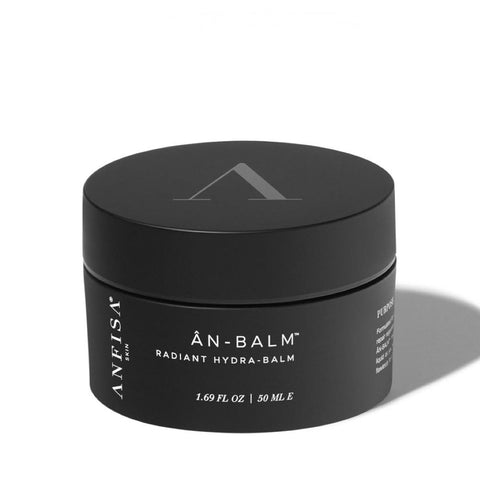
Product Recommendation
ANFISA
ÂN-BALM™ Radiant Hydra Balm <- Click to Shop

Product Recommendation
SHEGAIA
VasoChill™ Cream <- Click to Shop
| Strategy 6: Targeted Clearance of "Zombie Cells" to Cut Off the Chain Pollution of Aging Factors
When the aforementioned inflammation, barrier damage, or severe UV trauma are not blocked in a timely manner, a portion of heavily damaged cells enter a state of "cellular senescence”, turning into "zombie cells" that refuse to undergo normal apoptosis. Although they stop dividing, they act as continuous, lingering sources of inflammation, constantly polluting surrounding healthy cells via SASP (Senescence-Associated Secretory Phenotype), leading to localized loss of elasticity and "precipitous aging."
The most cutting-edge strategies in modern medicine against zombie cells comprise two joint scientific mechanisms: Senolytics (senescent cell clearing technology) and Senomorphics (senescent function blunting technology).
According to clinical studies from the top longevity research institution, the Mayo Clinic, as well as research published in the journal Aging Cell, Fisetin is currently recognized as the most potent natural senolytic ingredient. It can precisely and specifically induce apoptosis in "zombie cells" while leaving surrounding normal, healthy cells completely unharmed. Furthermore, it significantly reduces the concentration of SASP (inflammatory factors such as IL-6 and matrix metalloproteinases) in the body, fundamentally resetting the localized skin's "aging memory" and remodeling the dermal collagen matrix.
Retinol (Vitamin A), on the other hand, stands as a premier senomorphic agent—it strongly blocks the transcriptional activity of zombie cells at the genetic level, effectively "defanging" residual senescent signals, halting the secretion of toxic SASP factors, and simultaneously activating cellular autophagy and large-scale synthesis of new collagen.

Product Recommendation
SHEGAIA
Mitobliss Brightening Mask <- Click to Shop
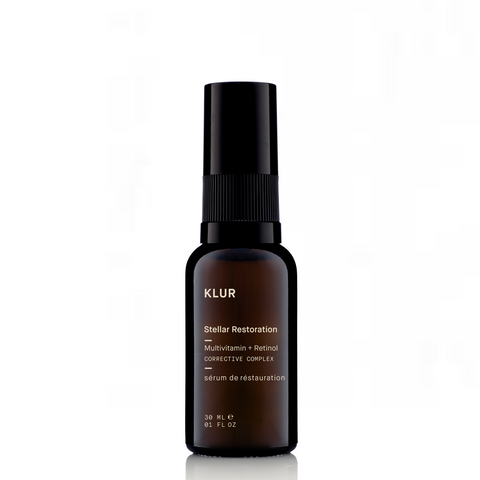
Product Recommendation
KLUR
Stellar Restoration Corrective Complex <- Click to Shop

Product Recommendation
SHEGAIA
Zero Gravity Eye Complex Cream <- Click to Shop
Also in The Journal


How to Fix a Sunken Midface? Causes & Proven Skincare Guide
Struggling with a long mid-face, hollow cheeks, or visible tear troughs? Find out their causes and how to imnprove them with skincare.


Extinguish the "Silent Fire": A Comprehensive Guide to Inflammaging
At the very core of anti-aging, the deepest and most lethal catalyst is actually "Inflammaging"——a silent killer hidden deep within the cells.


Stabilize Summer Skin: Fix Acne, Eczema & Rosacea Inside Out
Recurring acne, eczema and inflammation during summer? How to soothe "emotional" skin and restore calm and stability?
FOLLOW US
Sign up to get the latest on sales, new releases and more…

