



When discussing eczema, most people often attribute it to a "severely broken skin barrier" or "immune inflammation”. As a result, conventional management strategies mostly stay confined to "forced anti-inflammation/soothing" or "hydration and moisture locking”.
In reality, many who suffer from long-term eczema have experienced this firsthand: applying extremely thick barrier creams, or even frequently using topical steroids and various ointment treatments, yet skin redness, intense itching, and inflammation continue to flare up repeatedly.
Here is the truth. Eczema is actually a classic, multi-factorial, and complex condition. Genetic factors (such as Filaggrin protein mutations), innate and adaptive immune system hypersensitivity, environmental allergens, sensory nerve sensitivity, and physical defects in the skin barrier are all crucial underlying causes.
And according to the latest scientific research, amidst this complex chain of pathogenesis, the Skin Microbiome actually plays a pivotal, yet long-overlooked core role.
Today, we will dive deep into the latest discoveries in microbiome research, uncovering the long-ignored role that "microbiome dysbiosis" plays in triggering and worsening eczema flares, and exploring how to truly and effectively rebuild a healthy skin ecosystem.
A healthy skin surface is a diverse and harmonious microbial ecosystem, where microorganisms actively help regulate inflammatory responses and defend against invading pathogens. However, on eczema-prone skin, this ecological balance completely collapses, turning into a vicious cycle intertwined with the following four major elements:
| Barrier Dysfunction — Stratum Corneum Damage & Water Loss
When physical cracks appear in the skin barrier and the pH level rises, it directly disrupts the naturally acidic microenvironment. This creates optimal attachment and proliferation conditions for pathogenic bacteria that thrive in alkaline environments (such as Staphylococcus aureus).
| Immune Dysregulation — Immune Hyper-reactivity & Th2 Alarm
Hyperactivated inflammatory responses suppress the skin’s production of its own "Antimicrobial Peptides (AMPs)”, stripping the skin of its autonomous ability to suppress bad bacteria and leading to a massive loss of protective, commensal good bacteria.
| Microbiome Dysbiosis — Collapse of Diversity & Pathogen Dominance
When beneficial bacterial diversity collapses, Staphylococcus aureus dominates, actively secreting toxins and proteases. This further tears the skin barrier apart and fans the flames of inflammation, acting as the strongest catalyst driving the entire cycle.
| Sensory Nerve Activation — Nerve End Sensitivity & The "Itch-Scratch Cycle"
Pathogenic bacteria (such as S. aureus) secrete V8 Protease, which directly activates sensory nerves to trigger intense itching. The physical wounds and exudate caused by scratching then provide even more adhesion sites and nutrients for bad bacteria, throwing the microbiome into total chaos.
Research reveals that during acute eczema flare-ups, microbial diversity on the skin's surface drops precipitously, while S. aureus rapidly takes over as the dominant strain.
This loss of diversity directly weakens the mutual checks and balances among healthy bacterial communities (Microbial Competition). Once S. aureus becomes the dominant flora, it secretes vast amounts of destructive factors, further worsening inflammation, itching, and barrier damage.
The overgrowth of S. aureus on eczema skin is not accidental, but rather the result of "Ecological Selection" triggered by alterations in the skin’s microenvironment:
- Damaged Sebaceous Barrier Lipids & Antimicrobial Peptides (AMPs): The skin's natural defensive weapons are diminished, leaving it unable to suppress pathogenic bacteria.
- Elevated pH & Increased Transepidermal Water Loss (TEWL): As the skin shifts from weakly acidic to alkaline, combined with accelerated water evaporation, it creates a perfect hotbed for S. aureus to attach, proliferate, and form Biofilms.
Many often wonder: why do individuals who never had eczema—or whose condition has been stable for a long time—suddenly suffer an unexpected, severe flare-up?
The microbial link behind this lies in how the systemic immune system is affected by external factors (such as when the body generates an intensely strong inflammatory response or is systematically stimulated by foreign substances), forcing the body into a high-intensity alarm state. During this time, the body's internal Th2 inflammatory pathway becomes hyperactivated, directly inhibiting skin keratinocytes from synthesizing natural Antimicrobial Peptides (AMPs).
Lacking this natural shield of AMPs, beneficial bacteria on the skin surface rapidly collapse or die in large numbers. This allows lurking S. aureus to quickly take over the skin, transforming a brief systemic immune alarm into a persistent skin microbiome dysbiosis that is difficult to soothe.
In the past, we always assumed that "itching" was caused solely by skin inflammation releasing mediators like histamines. However, the latest neurobiological research reveals a groundbreaking truth: S. aureus can directly activate itch-sensing nerves!
S. aureus secretes a substance called V8 Protease. It can directly cleave and activate PAR1 receptors on cutaneous sensory neurons. This means that "itch" nerve signals can be directly triggered by bacterial signals, rather than being merely a byproduct of inflammation.
This perfectly explains the most agonizing "Itch-Scratch Cycle" experienced by eczema sufferers:
S. aureus overgrowth ➤ Secretion of V8 Protease activates nerves ➤ Triggers intense itching sensations ➤ Scratching damages the barrier ➤ Skin wounds provide more adhesion sites for bacteria ➤ S. aureus proliferates and spreads further
It is vital to understand that scratching is far more than just physical damage—it further breaks down the barrier, scatters bacteria, exposes more binding sites, and increases inflammatory mediators. This throws the microbiome into complete chaos, subsequently worsening eczema symptoms and expanding the affected area!
S. aureus does not merely induce itching; the various virulence factors it secretes actively transform simple bacterial colonization into active disease aggravation:
- Virulence Factor: Damage to the Skin
- V8 Protease: Activates PAR1 receptors, directly triggering intense itching
- Δ-Toxin ( Δ-Toxin): Stimulates Mast Cell Degranulation, triggering allergic inflammation
- Phenol-Soluble Modulins (PSMs): Induces keratinocyte inflammation
- Protein A: Activates immune responses in keratinocytes
- Superantigens: Triggers excessive T-cell and Cytokine storms
When facing an eczema flare, topical corticosteroid creams are the most common acute rescue measure in Western medicine. Steroids suppress immune responses extremely rapidly, achieving fast relief from redness and swelling. However, many mistakenly believe that steroids "kill bacteria"—which is a major cognitive blind spot.
| Steroids Have Zero Antibacterial Capability
Steroids (Corticosteroids) = The "Mute Button" for the Immune System
Steroids are essentially immunosuppressants that act on human immune cells to forcibly shut down inflammatory alarms. They possess absolutely no destructive power over bacterial cell membranes, DNA, or reproduction. Many assume that "redness fading after application means successful bacterial eradication"—this is merely a visual illusion created by anti-inflammation (unless a combination cream containing antibiotics is used).
Applying a single-agent steroid is equivalent to forcibly withdrawing the guards (immune cells) without chasing out the intruder in the home (S. aureus). In an environment lacking immune resistance and with a damaged, acidic barrier, the intruder can spread even more rampantly and form Biofilms. Once the medication wears off, a much larger population of pathogenic bacteria will instantly explode.
| Cutting off Natural AMPs & Indiscriminately Eradicating Good Bacteria
Long-term steroid use suppresses the synthesis of "Antimicrobial Peptides (AMPs)" by skin keratinocytes. AMPs are the skin's natural antibiotics used to sustain good bacteria (such as S. epidermidis) and suppress bad bacteria. When AMPs are cut off by steroids, the healthy commensal flora protecting the skin dies en masse, reducing the microbial diversity on the skin surface to zero.
| Drug Withdrawal Triggers "Compensatory Inflammation" & Steroid Rebound
When long-term steroid use is abruptly stopped, the immune system that was forcibly suppressed reacts like a tightly coiled spring suddenly released, producing an explosive compensatory Rebound Effect. Immune cells instantly flood the epidermis, releasing massive amounts of inflammatory factors and histamines. This triggers severe vasodilation, skin heat, and neurogenic itching, creating a vicious cycle of "the more you apply, the worse it flares upon stopping”.
To resolve the vicious cycle dominated by S. aureus, the most forward-thinking strategy is neither forcibly suppressing the immune system with steroids nor "indiscriminately wiping out bacteria" with antibiotics (which kills good bacteria along with the bad). Instead, it is about leveraging the synergy of "Probiotics" and "Prebiotics" to rebuild a healthy microbial balance:
| Live Probiotics — The "Army" Claiming Territory
- Microbial Competition: Live bacteria colonize the skin surface, actively claiming attachment sites from Staphylococcus aureus and crowding out the living space of bad bacteria.
-
Secretion of Natural Antibacterial Substances: Active probiotics secrete specific Bacteriocins and short-chain fatty acids to inhibit pathogen proliferation while sending soothing signals to the skin's immune system.
| Prebiotics — Providing "Food" for Good Bacteria
- Targeted Nourishment for Beneficial Flora: Prebiotics are exclusive nutrient sources for good bacteria. By altering the "Selection Pressure" on the skin surface, prebiotics allow commensal beneficial bacteria to flourish rapidly, forming a long-lasting protective shield.
If the microbiome is so critical, why do many people buy commercial probiotic skincare products without seeing any improvement in their eczema? The answer lies in that the vast majority of “probiotic skincare” only contain "dead bacteria”.
Because standard skincare products contain water and preservatives, live probiotics cannot survive in them. Thus, over 99% of probiotic-labeled products on the market actually use heat-inactivated "Probiotic Lysates" or "Probiotic Ferment/Filtrates," making them at best "Postbiotics" rather than true “Probiotics".
Faced with a severely imbalanced eczema environment heavily dominated by S. aureus, dead bacterial fragments or ferment byproducts simply cannot establish robust "Microbial Competition”. nor can they actively secrete bacteriocins like live bacteria to suppress pathogens.
To keep topical probiotics truly “active", the only solution is a dry powder formulation. Because a powder state contains zero water, it requires no preservatives or antibacterial agents, allowing active bacterial strains to remain in a dormant, protected state. Only at the moment when the user mixes it with liquid (such as water or hydrosols) to activate it for immediate use are the probiotics instantly awakened, reaching the skin with peak biological potency to genuinely suppress pathogenic bad bacteria.
To completely break the vicious cycle of eczema, the strategy must shift from simple moisturizing and anti-inflammation to "comprehensively rebuilding the skin and internal ecosystem”. Below are the 6 core steps and corresponding care solutions:
Gut & Internal Health Regulation
The essence of eczema is systemic inflammation, and the gut microbiome (Gut-Skin Axis), liver detoxification pathways, and systemic pH balance directly determine the concentration of inflammatory mediators and histamine in the bloodstream.
The liver is the body's central hub for decomposing toxins and allergic mediators (especially histamine)—when the liver's metabolic burden is overloaded, accumulated histamine and uneliminated toxins flow through blood circulation to the skin throughout the body, directly triggering intense itching, redness, and allergic reactions.
At the same time, when the body remains in a long-term acidic state (Systemic Acidity), it significantly stimulates the release of inflammatory cytokines, further aggravating systemic and skin inflammatory responses.
Whilst, if the intestinal barrier is damaged or the flora is imbalanced, undigested food macromolecules and toxins leak into the bloodstream (Leaky Gut phenomenon), inducing systemic immune allergies. Therefore, supplementing internally to regulate systemic anti-inflammatory capacity, support liver metabolism, reinforce the intestinal barrier, and promote a healthy alkaline balance in the body can significantly reduce the frequency and severity of eczema flare-ups from the internal root cause.

Product Recommendation
MARIE REYNOLDS LONDON
Ocean EFA Antarctic Krill Oil <- Click to Buy
Rich in high-purity Omega 3, 6, 9 essential fatty acids, directly reducing inflammation and dryness reactions at the cellular level.

Product Recommendation
MARIE REYNOLDS LONDON
Liver Rescue <- Click to Buy
Effectively improves liver health and supports liver metabolic pathways, thereby reducing the accumulation of histamine and toxins in the body.

Product Recommendation
MARIE REYNOLDS LONDON
Evolve (Organic Alkalising & Detoxing Algae) <- Click to Buy
Packed with rich, highly active algae and green superfood ingredients, it effectively helps the body balance systemic pH levels while conditioning the gut microbiome and reinforcing the intestinal barrier, lowering chronic inflammation alerts from the root.

Product Recommendation
SHEGAIA
Slim Biome <- Click to Buy
A complex formula featuring 46 highly active probiotic strains, super rare on the market, specifically infused with patented gluten-degrading strains. Gluten is one of the core triggers of intestinal inflammation and leaky gut syndrome; by cutting off gluten irritation and maximizing gut flora diversity, it precisely repairs the intestinal barrier to block chronic inflammation and allergy signals at the source.

Product Recommendation
AGENT NATEUR
holi(radiance) OptiMSM® + Phytoceramides <- Click to Buy
The OptiMSM® (organic sulfur) within not only provides the sulfur required for collagen synthesis, but also downregulates inflammatory signaling pathways like NF-kB and reduces inflammatory cytokines. It shows significant effects in suppressing systemic redness, itching, and allergic reactions caused by eczema; meanwhile, patented phytoceramides lock in skin moisture from within to strengthen the skin barrier.
Precise Microbiome Reconstruction
On healthy skin, dominant beneficial bacteria occupy all attachment sites and secrete natural antibacterial substances to prevent foreign pathogens from colonizing. Therefore, for eczema-prone skin, applying active probiotics topically to the skin not only induces the release of growth factors that promote wound healing, but also refills the skin's "microbial niche”. Through natural microbial competition, it squeezes out and suppresses the living space of S. aureus, allowing the skin to restore its self-balance.
On the other hand, supplementing the skin with prebiotics provides exclusive nutrient sources and "food" for commensal good bacteria. Prebiotics selectively promote the rapid proliferation and colonization of good bacteria while remaining unusable by pathogenic bad bacteria like Staphylococcus aureus; by altering the epidermal "microbial selection pressure”. prebiotics accelerate the reconstruction of a diverse and solid good-bacteria defense network, preventing bad bacteria from counterattacking again.

Product Recommendation
MARIE REYNOLDS LONDON
Restore Live Probiotic Mask <- Click to Buy
Breaking the limitations of traditional liquid skincare, it locks in up to 8 patented active bacterial strains using drying technology. Upon activation with water, the live bacteria immediately exhibit strong biological activity on the skin, actively suppressing harmful bacteria such as S. aureus to fundamentally reshape microbiome balance and stimulate the skin's own production of ceramides and hyaluronic acid.

Product Recommendation
MARIE REYNOLDS LONDON
Butter Balm Prebiotic Restorative Balm <- Click to Buy
Specially designed for extremely dry skin and damaged barriers, and rich in natural plant fatty acids like baobab and prebiotic ingredients. It not only forms a flexible protective film to prevent transepidermal water loss, but also provides continuous nutritional "food" required for the live bacteria supplemented by Restore to proliferate, achieving a triple defense effect of "nourishing bacteria + locking in moisture + soothing."
Gentle Cleansing & Protecting Skin's Weakly Acidic pH
Hong Kong's tap water has a pH of approximately 8.2–8.8; pairing it with cleansers that have a high pH will destroy the skin barrier. A weakly acidic environment (pH 4.5–5.5) is an essential condition for inhibiting the proliferation of S. aureus and activating the skin's own antimicrobial peptides (AMPs). Once the lipid barrier is destroyed by over-cleansing, the skin's natural acid-base balance takes at least several hours to recover. This blank window provides pathogenic bacteria a prime opportunity to rapidly spread and attach. Therefore, using gentle cleansing products free from harsh surfactants is key to safeguarding the first line of defense.

Product Recommendation
SHEGAIA
Milksome Cica Cleansing Milk Balm <- Click to Buy

Product Recommendation
TWELVE BEAUTY
Purifying Cleansing Beauty Cream <- Click to Buy

Product Recommendation
MARIE REYNOLDS LONDON
Goji Mallow Cleanse™ <- Click to Buy

Product Recommendation
AGENT NATEUR
acid(wash) Lactic Acid Brightening Cleanser <- Click to Buy
Hydration & Replenishing Natural Moisturizing Factors (NMF)
Before replenishing lipids, dry and brittle eczema stratum corneum desperately needs an infusion of weakly acidic, zero-irritation moisture to restore the softness and hydration of corneal cells and slow down transepidermal water loss (TEWL)—when corneal cells remain dehydrated long-term, intercellular gaps widen, making it extremely easy for external allergens and bacterial toxins to penetrate. On the other hand, by replenishing Natural Moisturizing Factors (NMF) along with high and low molecular weight hyaluronic acid, it rapidly fills out cell plumpness, building a tight foundational layer for subsequent lipid moisture-locking.

Product Recommendation
SHEGAIA
Water Shine Procedure Ampoule <- Click to Buy

Product Recommendation
KLUR
Immersion Serum Concentrate <- stream Click to Buy

Product Recommendation
HANISUL
Less More MO-A™ Advanced Ampoule <- Click to Buy

Product Recommendation
AGENT NATEUR
holi(water) Pearl & Rose Soothing Anti-Aging Hydrating Essence <- Click to Buy
Lipid Barrier Repair & Lipid Replenishment
Eczema skin often lacks filaggrin and key lipids, but the skin barrier is composed of a "brick and mortar" structure made of ceramides, cholesterol, and free fatty acids in specific proportions. Therefore, simply hydrating without lipid moisture-locking is completely incapable of repairing and reinforcing a damaged eczema skin barrier. In other words, after infusing hydration into corneal cells, one must replenish structurally compatible ceramides, fatty acids, and cholesterol to fill intercellular gaps, form a physical shield, and block bacterial adhesion—preventing water evaporation while cutting off the dry, dehydrated environment favored by harmful bacteria like Staphylococcus aureus.

Product Recommendation
MARIE REYNOLDS LONDON
Ceramide Complex Supercharger <- Click to Buy

Product Recommendation
SHEGAIA
Water Shine Procedure Cream <- Click to Buy

Product Recommendation
HANISUL
Less More Noni Mild Cream <- Click to Buy

Product Recommendation
KLUR
Elements of Comfort Aromatic Body Oil <- Click to Buy

Product Recommendation
Agent Nateur
holi(body) Ageless Body Serum <- Click to Buy
Controlling Inflammation & Cooling Soothing
Inflammatory mediators (such as cytokines/interleukins) continuously destroy cellular structures and induce redness and swelling. On the other hand, during acute inflammation, capillaries heavily engorge and dilate, raising local skin temperature; this not only accelerates moisture evaporation but also directly triggers sensory nerves to release acute itch signals. Therefore, one must promptly block inflammatory pathways while soothing the skin to prevent allergic reactions from escalating into a full-scale immune storm and to stop inflammation from spreading.
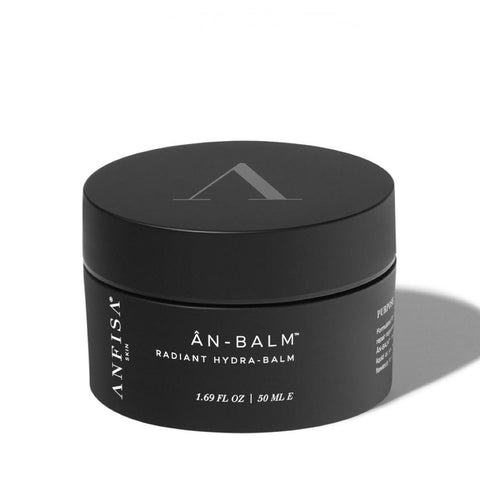
Product Recommendation
ANFISA
ÂN-BALM™ Radiant Hydra Balm <- Click to Buy

Product Recommendation
SHEGAIA
VasoChill™ Cream <- Click to Buy

Product Recommendation
KLUR
Unseasonal Kind Lipid Replenishment Oil <- Click to Buy

Product Recommendation
SHEGAIA
ARCTIC™ Dragonblood Red Serum <- Click to Buy

Product Recommendation
Agent Nateur
body(balm) Lifting & Firming Body Treatment Crèm <- Click to Buy
Eczema recovery is never an overnight process, but a patient ecosystem reconstruction project. Giving skin barrier repair and microbiome balance products sufficient time (recommended for at least 2–3 months, or longer for severe cases) to establish a stable, weakly acidic barrier and diverse flora is the fundamental way to stay away from recurring flare-ups and break free from steroid dependence.
In this recovery journey, please never forget—your psychological state is conversing with your skin at all times.
An extremely dense "Brain-Skin Axis" exists between the brain and the skin. When we are in a state of high anxiety, tension, or despair regarding our condition, stress hormones (such as cortisol) released in the body directly inhibit the skin from synthesizing natural antimicrobial peptides (AMPs), interfere with ceramide production, and even stimulate nerve endings to magnify the sensation of itching. The more anxious you are and the more you scratch, the more intense the skin inflammation becomes, falling into a vicious cycle of "stress - inflammation - despair”.
Please give yourself a little breathing space and time; learn to relax your mind and accept minor fluctuations that may occur during the repair process. Maintain a calm, positive mindset and confidence, paired with correct microbiome care, and your skin will eventually find its way back to its healthy balance.
Also in The Journal


How to Fix a Sunken Midface? Causes & Proven Skincare Guide
Struggling with a long mid-face, hollow cheeks, or visible tear troughs? Find out their causes and how to imnprove them with skincare.


Skin Can Also Have PTSD? The Skin Trauma Memory Repair Guide
Reoccurring acne, eczema, or sensitivity? This is because of "skin trauma memories"! Learn how to erase such damages and reset the skin matrix.


Extinguish the "Silent Fire": A Comprehensive Guide to Inflammaging
At the very core of anti-aging, the deepest and most lethal catalyst is actually "Inflammaging"——a silent killer hidden deep within the cells.
FOLLOW US
Sign up to get the latest on sales, new releases and more…

